
 Turkish
  English
  French
  Spanish
  Russian
  Arabic
  Portuguese
  Indonesian
  German
  Persian
  Vietnamese
  中文
中文 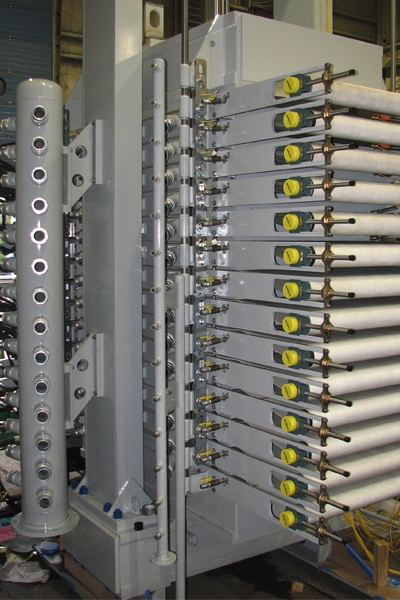 Bir filtre pres kurulumu çamur hacmini küçültürse, çözüm ücretlerini azaltırsa ve siteye uygun olursa en büyük ROI verir; Çok fazla bakım olmadan günlük kapasitesi. Çamur yönetimindeki ekipler için en iyi seçenek sadece en ucuz basın değil. Bunun yerine, sulanma çıkışını, işgücü ihtiyaçlarını, güç kullanımını ve devamlı sağlamlığı ağırlayan kuruldur.
Çamur Presi Filtrelerinin Modern Operasyonlarda Rolünü Anlamak
Çamur pres filtreleri, atık suları ve süreçlerden kalınan malzemeleri ele alan alanlarda önemlidir. Katı maddeleri sıvılardan ayırmak için pratik bir yöntem sağlarlar, bu da atık toplumunu azaltır ve daha iyi atım sonuçları sağlar.
Bir çamur pres filtresinin temel işlevi
Bir çamur pres filtresi basınç filtrasyonu yoluyla çalışır. Burada, bulamaç pompaları kaplı odalara filtre bezleri. Katı maddeler bir kek oluşturmak için toplanır, filtre kumaşın ötesinden geçiyor. Bu yöntem, yıkama, filtreleme ve sulamazlama yoluyla katı-sıvı bölünmesini garanti eder. Temel mekaniği, filtreleme gücünü arttırmak ve kek nemliğini kesmek için hidrolik bir sıkıştırma kullanır.
Hidrolik parça, daha az kalan su kazanmak için basma gücünü artırır. 16 kg'lık bir zirve basınca ulaşır. Ayrıca, hava kurutma adımı (çoğunlukla hava kurutmasına dayanarak) filtre kekinin nemini çok küçük bir seviyeye indirir (% 25'ten çok daha düşük olan fosfogipsum filtre kekinin nem içeriği% 10'a ulaşabilir). Sonuç olarak, eski süreçten kurutma adımını bile atlayabilirsiniz. Bu beceri çamur boyutunu azaltır ve daha sonra kurutma veya atık işlemede güç kullanımını azaltır.
NHD filtre presleri çamur tedavisi için kullanılabilir. Dikey Otomatik Basınç Filtresi tarafından geliştirilmiştir NHD Yurt ve yurt dışındaki en son pres filtreleri teknolojisini asimile etmek ve sindirmek temelinde, renkli olmayan erime, titanyum dioksit, kimyasal, kömür ayırma, gıda, porselen, kağıt, şeker, boya ve atık su arıtma endüstrilerinde geniş uygulamalarla.
Filtrasyon Teknolojisinin Evrimi 2026'ya Yürüyor
Filtrasyon yöntemleri el ile çalıştırılan plaka preslerinden dijital gözetimle otomatik ayarları tamamlamaya değişti. Geçmiş modeller el çekilmiş levhalar ve yıkamalar gerektiriyordu. Bugün’ S sürümleri durmadan çalışmak için PLC yönlü otomasyonu içerir. Kendinden teşhis ve alarm sistemi ile yüksek derecede otomasyon ve dostça kontrol arayüzü. Bu tür ilerlemeler sadece üretim oranlarını arttırmakla kalmaz, aynı zamanda istikrarlı çalışmayı da sürdürüyor.
2026 yılına kadar, alanlar çevre dostu yollar için itme yaparken, kalıplar stres otomasyonu, ileriye bakan bakım ve anlık kontroller için IoT ayarlarıyla bağlar. Bu değişiklik enerji tasarrufu hedeflerini destekler ve daha sağlam ekolojik yönergelere uymaktadır.
Gelişmiş Filtre Pres Sistemlerinin Anahtar Bileşenleri ve Tasarım Özellikleri
Mevcut çamur pres filtreleri, kimyasal işleme ve atık su bakımı gibi alanlarda büyüme için sert malzemeleri ve uyarlanabilir düzenlemeleri karıştırır.
Yapısal Tasarım Görüntüleri
Çerçeveler genellikle güçlü basınç altında dayanmak için karbon çelikten veya paslanmaz çelikten yapılır. Dikey filtre presleri ile karşılaştırıldığında, yatay filtre presleri daha büyük bir tek birim alanı elde edebilir (1000 m²'den fazla, bu da daha yüksek ölçekli bir etki anlamına gelir: aynı alanda, elektrik kontrolü, emek, çerçeve yapısı vb. kapsamlı maliyetler daha düşüktür). Oda ayarları, onarım için kolay erişilebilecek güçle eşleşecek şekilde ayarlanır. Uygulanabilir düzenlemeler, tüm birimi değiştirmeden adım adım boyut büyümesine izin verir.
Basınç seviyeleri çıkışı hemen şekillendirir. Daha fazla basınç daha kuru kekler oluşturur. Bununla birlikte, daha sağlam çerçeveler ve contalar talep ediyorlar. Plakalara karışık malzemeler eklemek paslanmayan yeteneği artırır. Aynı zamanda, binlerce koşuda güç geliştirmeye devam ediyor.
Filtrasyon Medyası ve Plaka Teknolojisi
Filtre kumaşının toplanması kimyasal eşleşmelere ve akış taleplerine bağlıdır. Polipropilen gibi sahte lifler asitlere ve bazlara karşı sağlam bir koruma sağlar. Membran plakaları daha fazla sulanmaya yardımcı olur. Bunu bükülmüş membranlar aracılığıyla ekstra basım gücü kullanarak yaparlar. Kompozit malzeme filtre levhası (her parti 1W alternatif yük yorgunluğu testinden geçer). Otomatik temizleme bezleri gibi taze fikirler onarım boşluklarını uzatır. Bunu sabit görevlerde sıkışıklıkları durdurarak yaparlar.
çamur pres filtrelerinde otomasyon ve dijitalleşme
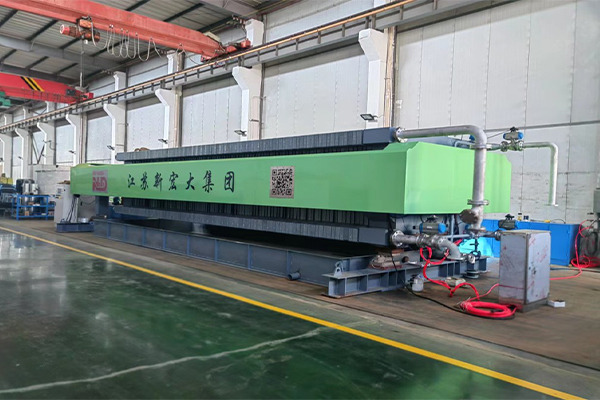
Otomasyon çamur filtrasyonunu sensör yanıtlarını kullanarak kendini ayarlayan akıllı bir akışa dönüştürür.
Akıllı Kontrol Sistemleri ile Entegrasyon
En iyi kurulumlar, oda basıncı, giriş hızı, filtre akışı ve kek derinliği gibi ayrıntıları hemen izlemek için sensörler kullanır. Veri incelemeleri, molalardan önce garipleri tespit eden zamandan önce bakımı sağlar. Bu arada, IoT bağları uzaktan izlemeyi sağlar. Dokunmatik ekran ve güvenilir kontrol ile bir PLC. Bu karışım işçi katılımını azaltır. Bununla birlikte, çalışma dönemlerinde bile döngü çıkışını sağlar.
Otomatik Kek Boşaltma ve Temizleme Mekanizmaları
Günümüzün çamur pres filtreleri, plakaları sallayan veya döndüren hava veya makine sistemleri ile otomatik kek bırakma aletleri içerir. Filtre çerçevesi açılır, motor filtre kumaşını çalıştırır ve süpürme valfi filtre kumaşını süpürmek için açılır. Filtre keki, ekipmanın her iki tarafından çöplük kovasına düşer. Otomatik temizleme çalışmaları, el görevleri olmadan yükler arasındaki filtre parçalarını yenilemektedir. Bu parçalar durma sürelerini çok kısaltır. Ayrıca, büyük sanayi tesisleri için çok önemli olan işgücü maliyetlerini de azaltıyorlar.
Operasyonel Verimlilik ve Performans Optimizasyonu
Filtrasyon çıkışını ayarlamak için, çamur keklerinde istenen kuruluğa ulaşırken üretimi güç çekmesine karşı tartılmalıdır.
Güç akıllı düzenlemeler, çamur özelliklerine dayanan akış hızlarına uymak için değiştirme hızları olan pompaları kullanır. Daha kısa döngü uzunlukları, standartlara zarar vermeden kullanılmayan gücü kesir. Giriş yoğunluğu da sonuçları sallar. Daha fazla katı madde hız kek birikimi. Ancak engellenmiş yollardan kaçmak için dikkatli bir şekilde kullanılmak gerekir.
Giriş basıncı yamaklarını değiştirerek veya yıkama parçalarını koşullarda dahil ederek net olmayı daha iyi filtreleyebilirsiniz. İyi bir etkiye ulaşmak için gereksinime göre bir yıkama işlemi eklenebilir. Hava kurutma gibi çalışma sonrası bakım, atık işleme veya yeniden kullanım işlerinden önce kuruluğa katılır.
2026 Endüstriyel Uygulamalar için Filtre Presi Tiplerinin Karşılaştırılması
Çeşitli düzenlemeler, odalar, membranlar ve kemerler çamur özelliklerine dayanarak belirli alan ihtiyaçlarını karşılar.
Düzenli el presleri plaka hareketleri ve temizlemeleri için büyük emek gerektirir. Otomatik türler az izleme ile daha fazla çıkış verir. Zamanla, maliyet kontrolleri otomasyonu gösterir’ s artı daha az durma süresi ve kullanımda daha iyi güvenli ayarlardan. Oda-membrana karşı karşılaştırmalarda, membran presleri, ekstra nemleri iyi zorlayan membran pres adımları yoluyla daha iyi sulandırmaya ulaşırlar. Kemer presleri, adil kuruluğa ihtiyaç duyan, ancak daha hızlı hızlara sahip sürekli akışlara uygundur. Düzlük maksimum kuruluğun üstüne çıkan şehir atık su bakımı için en iyi şekilde çalışırlar.
Örneğin, NHD Dikey Otomatik Basınç Filter Bu değişikliği, küçük bitki noktaları için iyi bir düzenleme ile karışık otomasyona gösterir.
Çevre Uyumluluğu ve Sürdürülebilirlik Görüntüleri
Yeşil hedefler Dünya çapında eko kurallar daha sıkılaştıkça mevcut çamur işleme planlarına rehberlik edin.
Filtre presleri, liderlerden salındırma kapaklarına uygun daha saf bir filtrat oluşturarak çok şey ekler. Yıkama, filtreleme ve sulandırma yoluyla katıyı sıvıdan ayırır. Dahili kontroller, PLC denetiminde ayarlanan dijital rapor araçları aracılığıyla kural incelemelerini geri alan izlenebilir kağıtları sağlar.
Gaz üretimi veya çiftlik kullanımı için uygun yararlı besinler veya organikler tutan kurutulmuş çamurdan kurtarma şansları ortaya çıkar. Ömrü süresi taşıma planları, güç akıllı pistler ve inşa parçalarında yeniden kullanılabilir malzemeler aracılığıyla küçülen karbon izlerine odaklanır. Kapalı döngülü su yeniden kullanımı, filtrat sınıfı iç yeniden kullanım standartlarına ulaştığında mümkün olur. Bu, otomatik bir yaprak filtresi gibi güçlü filtreleme çıkışıyla desteklenen Greenfield ayarlarında ana bir nokta olarak durur.
Gelecek Görünümü: 2026'nın ötesinde çamur pres filtrelerinin stratejik değeri
Çamur pres filtreleri’ Yarın, anlık yanıt dairelerinden ayrıntıları kendi başına ayarlayabilen AI adımlarının öncülüğünde akıllı esneklikte yatıyor. Malzeme taze başlar sert kimyasal staz altında pas karşıtı kaldıracaktır. Bu arada, hizmet sürelerini NOW işaretlerinin ötesinde büyütecekler.
Mekanik filtrasyonu membran veya ısı yollarıyla karıştıran karışık ayarlar, metal sanatı veya ilaç alanları gibi alanlarda zor atıkları daha iyi yönetmek için ortaya çıkacaktır. Alanlar döngü ekonomisinin temellerine uyurken, bir sonraki aşamadaki filtreleme aletlerindeki fonlar planlanan artıları getirir. Bunlar, iş çıktı kazançları, kural uygunluğu kefaleti ve sayılabilir yeşil sonuçlar yoluyla uzun ROI'yi kapsar.
Sık Sorulan Sorular
S1: Otomasyon çamur pres filtresi performansını nasıl geliştirir?
A1: Otomasyon, el girişini keserken zirve filtreleme çıkışını tutmak için iş ayrıntılarını yerinde değiştiren PLC ayarlarına bağlı sensörler aracılığıyla anında izlemeye izin verir.
S2: Hangi faktörler çamur kek kuruluğunu etkiler?
A2: Ana faktörler arasında sıkma parçalarındaki basın gücü, giriş yoğunluğu dereceleri, çalışma uzunluğu değişimleri ve kalan nemleri iyi itmek için hava kurutma yolları seçimi yer alır.
S3: Çevre uyumluluğu için modern filtre presleri neden önemlidir?
A3: Sabit eko standartlarına uygun daha saf filtrenin serbest bırakıldığından emin olurlar. Aynı zamanda, besleyici çekme veya kapalı döngü ayarlarında su yeniden kullanımı gibi kurtarma sürücülerine yardımcı olurlar.