 Vietnamese
  English
  French
  Spanish
  Russian
  Arabic
  Portuguese
  Indonesian
  German
  Turkish
  Persian
  中文
中文 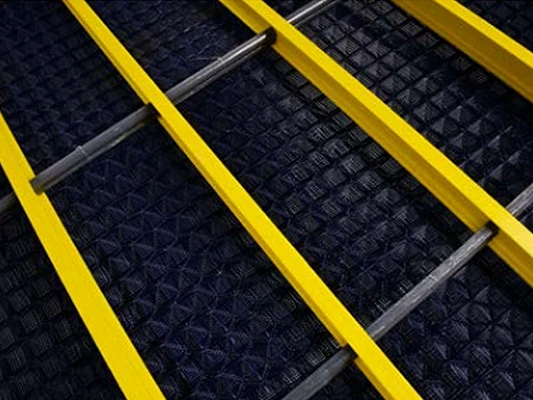
Việc làm sạch khí công nghiệp cho tháp có hàm lượng sương mù và chất rắn cao khó hơn so với hệ thống lọc ướt tiêu chuẩn — sương mù mịn, chất rắn hòa tan và các hạt khí dung làm giảm hiệu suất, tăng tổn thất áp suất và ăn mòn thiết bị ở phía hạ lưu rất lâu trước khi có bất kỳ hư hỏng nào có thể nhìn thấy. Hướng dẫn này sẽ trình bày chi tiết về các dữ liệu khí và tháp cần xác nhận, lý do tại sao các giải pháp một giai đoạn bị tắc nghẽn khi hàm lượng chất rắn cao, và cách giảm chất rắn ở giai đoạn đầu kết hợp với việc loại bỏ sương mù ở giai đoạn sau.
Tại sao tháp phun sương cao lại tiềm ẩn rủi ro trong việc làm sạch khí công nghiệp?
Các vấn đề về tháp tạo sương mù cao thường phát triển âm thầm. Khí vẫn có thể đi qua tháp trong khi thiết bị phía sau tiếp nhận nhiều giọt sương, cặn bẩn và cần phải vệ sinh nhiều hơn. Người mua nên xem xét kỹ các dấu hiệu này trước khi lựa chọn bất kỳ hệ thống loại bỏ sương mù nào.
Sương axit và sự tồn dư chất rắn hòa tan
Hư hỏng do tồn dư hiếm khi hiển thị trên đồng hồ đo — nó xuất hiện ở phía hạ lưu, trong quạt, máy sưởi và bộ lọc hơi nước, khiến chúng bị bám cặn nhanh hơn dự kiến. Các chất rắn hòa tan có thể khô, kết tinh và bám vào các bề mặt tiếp xúc, biến việc vệ sinh định kỳ thành công việc phải ngừng hoạt động.
Tải trọng hệ thống khử sương và đường ống dẫn khí phía hạ lưu
Bộ tách sương ở phía hạ lưu là biện pháp bảo vệ cuối cùng, chứ không phải là thiết bị có thể xử lý mọi hạt rắn một mình. Nếu tải trọng ở phía thượng lưu quá lớn, hiện tượng bám cặn và lực cản sẽ tăng nhanh hơn. Để có thêm giai đoạn tách khí-lỏng, người mua có thể xem xét các bộ phận bên trong tháp NHD như... Chiếc Chevron Vane Demister trong thiết kế hệ thống tổng thể.
Ngừng hoạt động do ăn mòn và vệ sinh
Sự ăn mòn và việc ngừng hoạt động để vệ sinh là những hậu quả mà đội ngũ vận hành nhà máy cảm nhận đầu tiên. Axit dư thừa tấn công hệ thống ống dẫn, vỏ máy, khung đỡ và các lỗ kiểm tra. Cặn bám dính buộc phải thực hiện các đợt vệ sinh ngoài kế hoạch, gây mất sản lượng, buộc phải làm việc trong không gian hạn hẹp và đưa ra các quyết định bảo trì vội vàng.
Dữ liệu quan trọng để lựa chọn thiết bị lọc hóa chất
Một bộ hồ sơ yêu cầu tư vấn hữu ích cần phải cụ thể. Cùng một thiết bị lọc hóa chất sẽ hoạt động khác nhau khi vận tốc khí, tải trọng chất rắn, mức độ ăn mòn và khả năng tiếp cận tháp thay đổi. Hãy cung cấp các dữ liệu sau cho nhà cung cấp trước khi lựa chọn cuối cùng.
Khí: Thể tích, Nhiệt độ, Vận tốc, Thành phần ăn mòn, Độ giảm áp suất cho phép
Năm nhóm dữ liệu này thiết lập ranh giới xem xét đầu tiên. Thể tích khí ảnh hưởng đến kích thước thiết bị và diện tích tiếp xúc. Nhiệt độ và các thành phần ăn mòn ảnh hưởng đến việc lựa chọn vật liệu. Tốc độ khí và độ giảm áp suất cho phép ảnh hưởng đến diện tích hở, thời gian lưu trú, đường thoát nước và bố cục hệ thống loại bỏ sương mù cuối cùng.
Tính ăn mòn và hàm lượng chất rắn
Tính ăn mòn và hàm lượng chất rắn cần được thảo luận cùng nhau. Sương mù axit sạch chủ yếu kiểm tra khả năng chống chịu của vật liệu. Luồng khí có hàm lượng chất rắn cao sẽ gây ra các vấn đề về tắc nghẽn, mài mòn, xả bùn và khả năng rửa trôi. Khi cả hai yếu tố đều cao — ăn mòn và hàm lượng chất rắn cao — thì một tầng BlueFil® đơn lẻ, một phần chứa vật liệu lọc hoặc một bộ tách sương hiếm khi đáp ứng được yêu cầu; việc xử lý chất rắn ở khâu đầu nguồn cần được xem xét trước tiên.
Cải tạo và bảo trì tòa tháp
Những hạn chế của việc nâng cấp có thể làm thay đổi câu trả lời tối ưu nhất. Các tháp cũ có thể có cửa thăm nhỏ, vị trí vòi phun cố định, chiều cao nâng hạn chế hoặc ít không gian cho các giai đoạn tách bổ sung. Nếu người vận hành không thể loại bỏ các bộ phận bị tắc nghẽn một cách an toàn, chu kỳ làm sạch đầu tiên sẽ bộc lộ nhược điểm của thiết kế — gioăng bị rách, mảnh vụn rơi vãi và thời gian ngừng hoạt động ngoài kế hoạch.
Ma trận lựa chọn mua sắm
| Yếu tố lựa chọn | Những điều người mua cần xác nhận | Tại sao điều đó lại quan trọng |
| Dữ liệu khí | Thể tích khí, nhiệt độ, vận tốc, các thành phần ăn mòn, độ giảm áp suất cho phép | Đặt ra giới hạn đầu tiên cho việc xem xét kích thước thiết bị, vật liệu và tổn thất áp suất. |
| Sương mù và giọt nước | Phạm vi hạt sương mù, hóa học chất lỏng, hành vi của sol khí, sự lan tỏa có thể nhìn thấy | Cho thấy liệu việc loại bỏ sương mù hoặc tách khí-lỏng cần đến giai đoạn tinh chỉnh hơn hay không. |
| Tải trọng chất rắn | Chất rắn hòa tan, bụi, muối kết tinh, các hạt dính, đường xả bùn | Xác định xem có cần thiết phải giảm lượng chất rắn ở giai đoạn đầu trước khi tiến hành tách mịn hay không. |
| Lối vào tòa tháp | Hố ga, không gian nâng, vị trí vòi phun, cửa sổ tắt máy, phương pháp làm sạch | Ảnh hưởng đến tính khả thi của việc nâng cấp và chi phí bảo trì dài hạn. |
| Đánh giá nhà cung cấp | Bản vẽ quy trình, dữ liệu yêu cầu báo giá, vật liệu ưu tiên, khoảng thời gian vệ sinh dự kiến | Cho phép NHD đối chiếu sản phẩm với nhiệm vụ thay vì trích dẫn từ một danh sách chung chung. |
Tại sao dòng khí có hàm lượng chất rắn cao lại có thể làm tắc nghẽn các giải pháp một giai đoạn?
Các giải pháp một giai đoạn — một ngăn chứa vật liệu đóng gói hoặc một giai đoạn loại bỏ sương mù xử lý tất cả — hoạt động tốt nhất khi tải trọng khí đầu vào nằm trong phạm vi thiết kế. Các dòng khí có hàm lượng chất rắn cao khó xử lý hơn vì chất rắn, giọt nước và độ ẩm thay đổi cùng đi vào vùng tách. Hiện tượng bám cặn có thể xảy ra nhanh hơn dự kiến.
Khối tháp được đóng gói truyền thống
Các tháp giải nhiệt dạng đóng gói truyền thống có thể bị giảm diện tích thông gió khi các chất rắn hòa tan và cặn lắng dạng bùn tích tụ bên trong lớp vật liệu đóng gói. Ban đầu, người vận hành có thể nhận thấy sự phân bố khí không đồng đều hoặc cần phải rửa tháp thường xuyên hơn. Về sau, lớp cặn có thể không còn là một lớp màng mỏng trên bề mặt, dẫn đến thời gian ngừng hoạt động kéo dài hơn.
Nguy cơ tắc nghẽn khi sử dụng BlueFil® riêng lẻ
Để kiểm tra và làm sạch khí gas định kỳ, NHD có thể xem xét. Hệ thống xóa khí BlueFil® Các giải pháp tấm lưới dùng để thu giữ các giọt phun và loại bỏ chất lỏng hoặc chất rắn hòa tan khỏi dòng khí. Tuy nhiên, trong tháp có hàm lượng chất rắn cao, tải trọng đầu vào vẫn cần được xem xét. Hệ thống lọc khí BlueFil không nên được yêu cầu thu giữ mọi chất rắn thô trước khi dữ liệu quy trình được kiểm tra.
Nhu cầu giảm chất rắn ở thượng nguồn
Việc giảm lượng chất rắn ở giai đoạn đầu thường là bước bị bỏ sót. Mục tiêu không phải là thay thế việc loại bỏ sương mù ở giai đoạn tiếp theo, mà là làm cho khí đi vào giai đoạn đó dễ xử lý hơn. Khi phần chất rắn thô hoặc dính được giảm bớt trước, hệ thống loại bỏ sương mù ở giai đoạn sau có thể hoạt động hiệu quả hơn.
Giảm áp suất và gia tăng bám bẩn
Thông thường, hiện tượng giảm áp suất sẽ tăng lên sau khi bắt đầu xảy ra hiện tượng bám cặn. Hãy coi đây là một cảnh báo vận hành, chứ không phải là biến số thiết kế duy nhất. Khi diện tích bề mặt hở của một phần vật liệu kín giảm 20–30%, khoảng thời gian giữa các lần vệ sinh sẽ ngắn lại, và lần bảo trì tiếp theo thường diễn ra sớm hơn vài tuần so với kế hoạch.
Đối với việc loại bỏ sương mù trên tấm lưới, độ giảm áp suất trong buồng sạch thường nằm trong khoảng 12–450 mmH₂O; một khi các chỉ số vượt quá giới hạn trên của loại vật liệu bạn đang sử dụng, thì nguyên nhân là do sự bám cặn chứ không phải do lưu lượng.
Cách BECOFLEX + BlueFil® xử lý các tháp có hàm lượng sương mù và chất rắn cao
Đối với tháp chưng cất có hàm lượng sương mù và chất rắn cao, phương pháp hiệu quả hơn là thực hiện theo từng giai đoạn: giảm chất rắn ở giai đoạn đầu, sau đó tập trung vào giai đoạn tiếp theo là sương mù, giọt chất lỏng và tách khí-lỏng. Đây là lúc sự kết hợp giữa BECOFLEX và BlueFil® trở nên hữu ích.
BECOFLEX: Loại bỏ chất rắn ở giai đoạn đầu
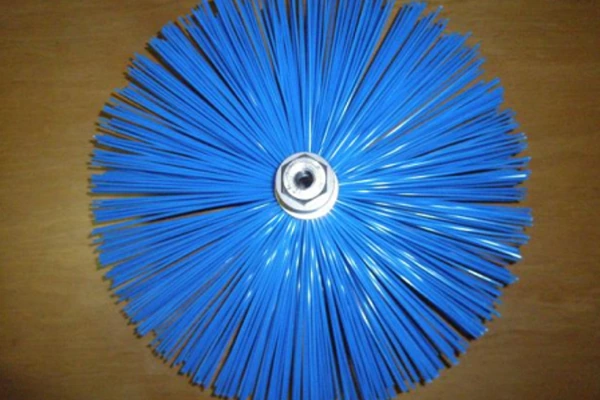
Máy chà rửa bằng bàn chải quay BECOFLEX xử lý trực tiếp lượng chất rắn ở phía thượng nguồn — các bàn chải quay tiếp xúc với màng khí-lỏng và chà rửa vật lý các hạt thô, sol khí và cặn hòa tan trước khi chúng đến các bộ phận bên trong mịn hơn ở phía hạ nguồn.
BlueFil®: Loại bỏ sương mù sau khi xử lý
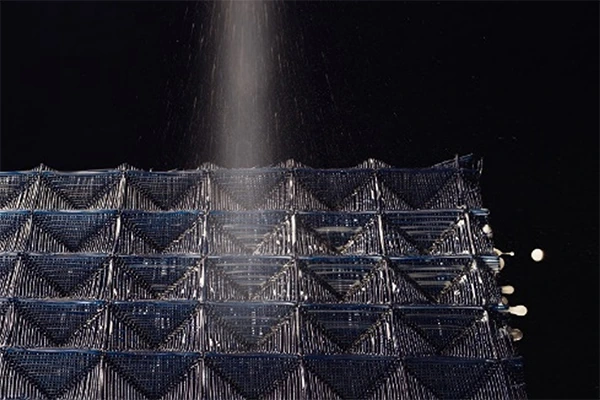
Sau khi giảm tải trọng đầu vào, BlueFil® có thể được xem xét như giai đoạn tiếp theo để loại bỏ sương mù và làm sạch khí. Khối lưới cấu trúc BlueFil® thường bao gồm nhiều lớp lưới với các thông số kỹ thuật khác nhau. Bằng cách lựa chọn các sợi có đường kính khác nhau và các mắt lưới hình chóp có cấp độ khác nhau, nó có thể được điều chỉnh phù hợp với phạm vi hạt sương mù mục tiêu, thu giữ các hạt sương mù dưới micromet có kích thước 0,5–0,8 μm trong khi hoạt động ở tốc độ khí trên 2,5–3 m/s.
| Ứng dụng công nghiệp | Mẫu mới MX095 | Sản phẩm MX094-H | Sản phẩm MX094-L | MX040 | MX020 | MX010 | MX005 |
| Sương nước / Sương hóa chất | X | X | X | X | X | X | X |
| Sương dầu / Sương nhũ tương | X | X | X | X | X | ||
| Loại bỏ sương mù dạng khí dung | X | X | X | X | X | X | X |
| Loại bỏ sương mù khi đóng gói | X | X | X | X | |||
| Chất lỏng | X | X | X | X | X | X | |
| Không có giới hạn nào về việc kết hợp các giải pháp. |
| Vật liệu | Màu sắc | Sản phẩm MX094-H | Sản phẩm MX094-L | MX040 | MX020 | MX010 | MX005 |
| PET | Trắng | X | |||||
| PP | Xanh tối | X | X | X | X | X | |
| ETFE | Tự nhiên | X | X | X | X | X | |
| PFA | Tự nhiên | X | X | X |
Xử lý khí tháp kết hợp
Hệ thống xử lý khí tháp kết hợp là sự phân chia nhiệm vụ. BECOFLEX làm giảm lượng chất rắn ở giai đoạn đầu. BlueFil® đảm nhiệm việc loại bỏ sương mù và tách khí-lỏng ở giai đoạn tiếp theo. Sau đó, có thể xem xét lại bộ tách sương hoặc các thiết bị bên trong tháp khác dựa trên lượng giọt còn lại, vận tốc khí, môi trường vật chất và kế hoạch bảo trì.
Danh sách kiểm tra dữ liệu yêu cầu báo giá (RFQ) để NHD xem xét
Trước khi nhóm dự án yêu cầu báo giá cuối cùng, hãy gửi một gói yêu cầu báo giá (RFQ) ngắn gọn. Bảng dưới đây giúp cuộc thảo luận bám sát nhiệm vụ vận hành thực tế hơn là một yêu cầu sản phẩm chung chung.
| Mục yêu cầu báo giá | Dữ liệu cần cung cấp | NHD có thể sử dụng nó như thế nào? |
| Tình trạng khí | Thể tích, nhiệt độ, áp suất, vận tốc khí, các thành phần ăn mòn | Xem xét kích thước thiết bị, mức độ tiếp xúc vật liệu và giới hạn tổn thất áp suất. |
| Sương mù và chất rắn | Đặc tính giọt, chất rắn hòa tan, loại bụi, nhu cầu xả bùn hoặc rửa sạch | Hãy cân nhắc xem liệu việc giảm kích thước phần đầu của BECOFLEX có nên được thảo luận trước khi sử dụng BlueFil® hay không. |
| Bố cục tòa tháp | Đường kính tháp, chiều cao, cửa thăm, vị trí vòi phun, giới hạn nâng cấp | Kiểm tra xem cách bố trí có phù hợp với tháp hiện có và lối tiếp cận bảo trì hay không. |
| Mục tiêu hoạt động | Nhiệm vụ làm sạch khí, mối quan ngại về khí thải, thu hồi sản phẩm, khoảng thời gian làm sạch | Hãy lựa chọn thiết bị lọc hóa chất phù hợp với giá trị của quy trình, chứ không chỉ dựa vào tên thiết bị. |
| Tài liệu | Bản vẽ, ảnh chụp, sở thích về vật liệu, triệu chứng hỏng hóc hiện tại | Hỗ trợ xem xét dữ liệu quy trình NHD và thảo luận về việc nâng cấp không theo tiêu chuẩn. |
Tại sao khách hàng nên hợp tác với NHD để làm sạch khí tháp?
Tháp tuyển nổi có hàm lượng chất rắn cao cần nhiều hơn một khuyến nghị sản phẩm duy nhất. Nó cần một nhà cung cấp có thể hiểu được nhiệm vụ của quy trình, thảo luận về cấu tạo bên trong tháp và đảm bảo thiết kế cuối cùng nằm trong giới hạn vận hành và bảo trì thực tế.
Ghép nối sản phẩm giữa các thành phần bên trong tháp
Để xem đánh giá tổng hợp về các tòa tháp, NHD Sản phẩm bao gồm các công đoạn lọc, tách rắn-lỏng, tách khí-lỏng, thiết bị loại bỏ sương mù, các bộ phận bên trong tháp, thiết bị rửa khí và chế tạo các sản phẩm không theo tiêu chuẩn. Phạm vi này rất quan trọng vì các tháp có lượng sương mù cao thường nằm giữa các loại sản phẩm khác nhau. Giải pháp cuối cùng có thể kết hợp giai đoạn rửa khí bằng hóa chất, loại bỏ chất rắn ở giai đoạn đầu, loại bỏ sương mù ở giai đoạn tiếp theo và xem xét vật liệu.
Xem xét dữ liệu quy trình
Việc xem xét dữ liệu quy trình là bước quan trọng để dự án làm sạch khí công nghiệp trở nên cụ thể hơn. NHD có thể thảo luận về BlueFil®, BECOFLEX, bộ tách sương, thiết bị lọc khí và các bộ phận bên trong tháp liên quan dựa trên một gói dữ liệu khí duy nhất. Đối với các câu hỏi tổng quan về hệ thống, người mua cũng có thể xem xét NHD. EPC+M+O. bối cảnh kỹ thuật.
Hỗ trợ nâng cấp không theo tiêu chuẩn
Hỗ trợ nâng cấp không theo tiêu chuẩn rất hữu ích khi tháp hiện tại không thể được thiết kế lại từ đầu. Người mua có thể cần giữ nguyên kích thước vỏ, tái sử dụng vòi phun, khắc phục hạn chế về không gian tiếp cận hoặc lắp đặt hệ thống mới trong thời gian ngừng hoạt động ngắn. Nhà cung cấp nên xem xét kỹ lưỡng nhiệm vụ của tháp và các ràng buộc về lắp đặt.
Kết luận
Các tháp trao đổi khí có hàm lượng sương mù và chất rắn cao cần đưa ra các quyết định về làm sạch khí công nghiệp dựa trên điều kiện khí, kích thước giọt, tải trọng chất rắn, vận tốc khí, độ giảm áp suất, nguy cơ ăn mòn, khả năng tiếp cận bảo trì và giới hạn nâng cấp. Khi hàm lượng chất rắn cao, cả tháp trao đổi khí truyền thống và BlueFil® khi sử dụng riêng lẻ đều có thể gặp phải tình trạng tắc nghẽn do áp suất. BECOFLEX có thể hoạt động như giai đoạn giảm chất rắn ban đầu trước khi BlueFil® xử lý việc loại bỏ sương mù và tách khí-lỏng tiếp theo. NHD có thể giúp người mua xem xét dữ liệu quy trình và lựa chọn BlueFil®, BECOFLEX, thiết bị tách sương, thiết bị lọc khí hoặc các bộ phận bên trong tháp không tiêu chuẩn phù hợp với nhiệm vụ thực tế của tháp.
Gửi dữ liệu khí, bản vẽ tháp, khoảng thời gian vệ sinh mục tiêu và các triệu chứng bám cặn hiện tại qua sales@chinanhd.com / Vui lòng liên hệ qua WhatsApp +86 13667324277, và NHD sẽ bắt đầu đánh giá dựa trên tình trạng dịch vụ thực tế của bạn.
Câu hỏi thường gặp
Câu 1: Hệ thống làm sạch khí công nghiệp là gì?
A1: Đây là một hệ thống loại bỏ sương mù, chất rắn hòa tan, sol khí và các thành phần ăn mòn khỏi khí xử lý trước khi chúng gây hư hại cho thiết bị ở khâu tiếp theo. Trong ứng dụng tháp giải nhiệt, hệ thống này thường kết hợp việc giảm chất rắn ở giai đoạn đầu với việc loại bỏ sương mù ở giai đoạn sau.
Câu 2: Người mua cần cung cấp những dữ liệu quy trình nào trước khi lựa chọn hệ thống làm sạch khí công nghiệp?
A2: Người mua nên cung cấp thông tin về thể tích khí, nhiệt độ, vận tốc, các thành phần ăn mòn, độ giảm áp suất cho phép, tình trạng sương mù, hàm lượng chất rắn, kích thước tháp, giới hạn nâng cấp, khả năng tiếp cận để bảo trì và các triệu chứng bám cặn hoặc ăn mòn hiện tại.
Câu 3: Tại sao hàm lượng chất rắn cao lại gây ra nguy cơ tắc nghẽn trong các tháp đóng gói hoặc các giai đoạn loại bỏ sương mù?
A3: Hàm lượng chất rắn cao có thể bị khô, kết tinh hoặc bám dính vào các bề mặt tiếp xúc. Khi cặn lắng làm giảm diện tích tiếp xúc, áp suất giảm sẽ tăng và hiệu quả loại bỏ sương mù trở nên không ổn định, do đó cần xem xét lại việc giảm chất rắn ở giai đoạn đầu trước khi chỉ dựa vào một giai đoạn tách duy nhất.