

In many dewatering projects, the filter press is only the first part of the job. After filtration, the real material still has to be discharged, broken up, conveyed, dried, stored, or sent for disposal. If the filter cake comes out in large sticky blocks, the whole downstream section can slow down. That is why buyers now look at filter press systems not only for cake moisture but also for how well they support post-treatment work.
Why Post-Treatment Quality Becomes a Real Cost Factor
In mining, chemical, hydrometallurgy, new energy materials, and wastewater projects, post-treatment quality can affect labor, dryer load, transport costs, storage conditions, and the stability of downstream processing. A wet or blocky cake may be harder to move. A sticky cake may hang at the discharge point. A cake with large uneven lumps may not feed smoothly into the next piece of equipment.
In real plants, bottlenecks often appear around the discharge outlet, conveyor inlet, crusher inlet, dryer feeder, or storage area. The filter press may complete its cycle, but material transfer after that becomes unstable. Typical problems include large cake blocks, sticky agglomerates, bridge formation, irregular feeding, and manual breaking. Once these issues happen, the plant may slow down the upstream filter press just to protect the downstream section. That is not efficient.
A practical process chain usually looks like this:
slurry preparation → filter press dewatering → filter cake discharge → cake disintegration → conveying → drying, stacking, disposal, or reuse
If any link is weak, the whole line loses stability.
How Filter Press Systems Affect Cake Handling Performance
Stable Cake Formation Makes Handling Easier
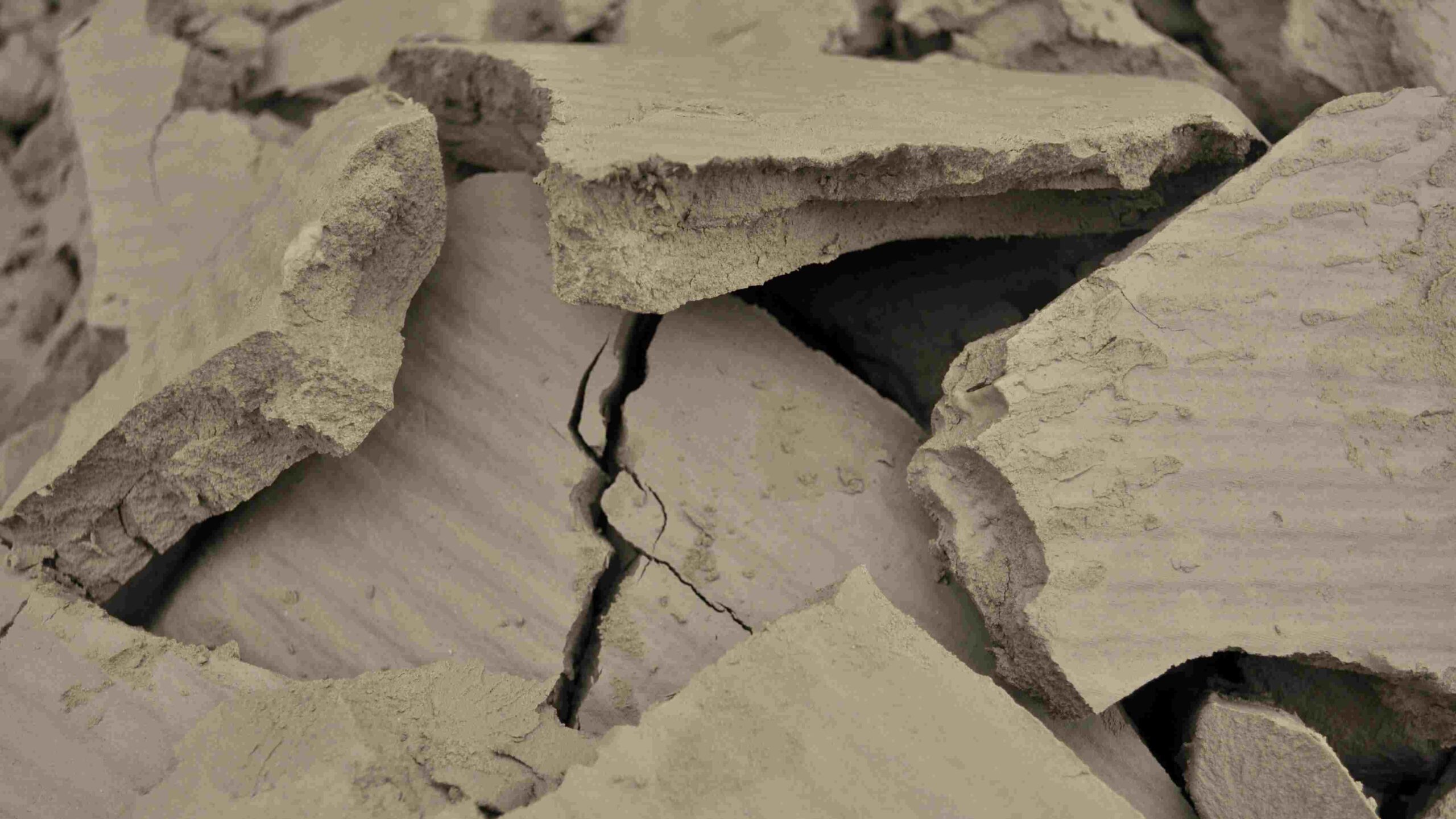
Cake handling starts before cake discharge. If the filter cake forms unevenly inside the press, the material after discharge will also be uneven. Some parts may be compact and dry. Some may stay soft. Some may stick to the filter cloth or plate surface. A stable filter press system should match pressure, feed concentration, filter cloth, squeezing or air drying, and cycle time. When these factors are balanced, the discharged cake becomes easier to break, convey, dry, or stack.
Discharge Efficiency Changes Labor Cost
A filter press with poor discharge creates extra work. Operators may need to scrape, hit, clean, or remove stuck cake. In small plants this may look acceptable. In larger projects, it becomes a daily cost.
Automatic discharge helps, but it is not enough by itself. The cake must still leave the press in a condition that downstream equipment can receive. If the cake drops as heavy blocks, the next section still has a problem.
Moisture Level Affects Downstream Load
Lower moisture usually helps post-treatment. Less water means less weight for transport and less heat demand if drying is needed. But moisture is not the only issue. Cake shape and size also matter. A cake with acceptable moisture but poor fragmentation may still be difficult to handle.
Why Cake Handling Equipment Belongs in the Filter Press System
Filter Cake Disintegrator Crusher as a Key Link
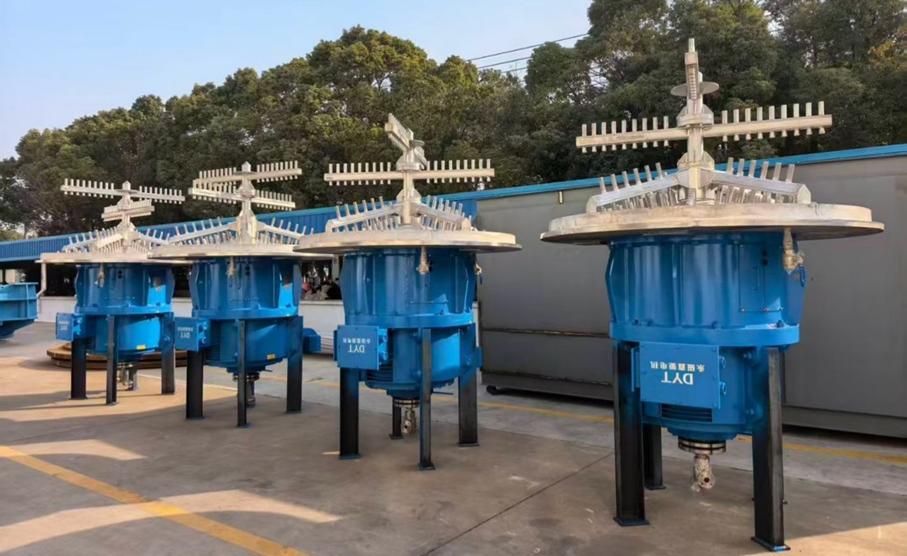
A filter cake disintegrator crusher is used after filter press discharge. Its job is simple: break large sticky cake pieces into smaller and more uniform material. This helps the next equipment receive the cake more smoothly.
NHD’s Filter Cake Disintegrator & Crusher is designed for post-filter press processing. It is used to break agglomerated and sticky filter cakes, create more uniform particle size for dryer feeding, reduce manual handling, and support automated operation. This makes it relevant for projects where the filter press is followed by a drying process or another continuous handling section.
Filter Cloth Still Affects Cake Discharge
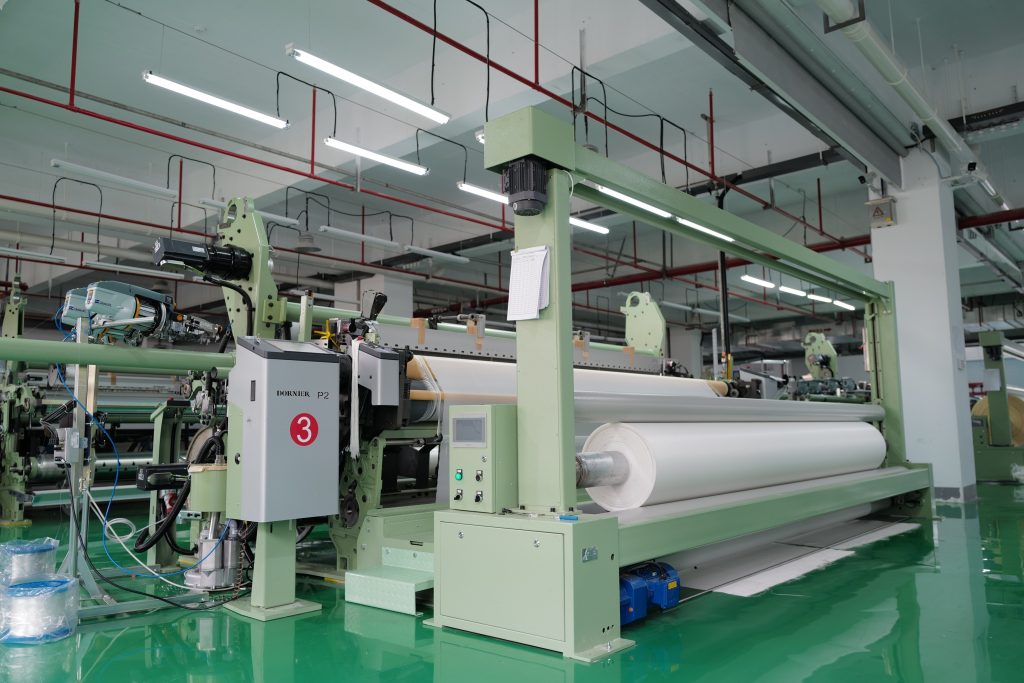
Filter cloth is also part of the same chain. A suitable cloth supports cake formation, filtrate flow, and cake release. If the cloth blinds quickly or holds the cake too tightly, the discharge condition becomes worse. For buyers, filter cloth selection should not be separated from cake handling. Cloth surface, permeability, material, washing method, and cake release behavior all affect how the discharged cake behaves.
Conveying and Transfer Need Stable Feed
Conveyors and dryers do not like sudden lumps. A uniform cake size helps reduce blockage and unstable feeding. For continuous production lines, this can be more important than buyers first expect.
A good post-treatment design should consider the drop height, discharge width, crusher position, conveying speed, and dryer inlet condition. These details look small, but they decide whether the line can run without constant manual correction.
How Buyers Should Evaluate Filter Press Systems
When buyers compare filter press systems, they should ask more than “What is the cake moisture?” They should also ask what kind of cake comes out.
Important points include daily capacity, feed solids content, target cake moisture, cake hardness, stickiness, discharge method, automation level, filter cloth type, available workshop space, downstream dryer requirement, and maintenance access.
For projects with high-moisture or sticky materials, the buyer should discuss whether a filter cake disintegrator crusher is needed. For new energy materials, non-ferrous hydrometallurgy, and continuous filter press plus drying lines, this discussion should happen early, not after installation.
Equipment Matching for Different Industries
Mining projects often face heavy and abrasive cakes. The main concern may be stable discharge, wear resistance, and transport efficiency.
Chemical projects may face fine particles, sticky material, or special corrosion conditions. The buyer should check material compatibility and cleaning access.
New energy material projects may need better control of cake size before drying or further processing. Uneven cake lumps can affect dryer feeding and process rhythm.
Wastewater and sludge projects often deal with changing feed conditions. In that case, the system should have enough tolerance for moisture fluctuation and cake texture changes.
Where NHD Fits in a Complete System
NHD can be reviewed when buyers need filter press equipment together with downstream cake handling support. Its product range covers solid-liquid separation equipment and non-standard equipment, and the Filter Cake Disintegrator & Crusher can be matched after filter press discharge where large sticky cakes affect post-treatment.
The useful point for B2B buyers is not only the crusher itself. It is the system discussion: filter press duty, filter cloth behavior, cake discharge condition, crusher configuration, dryer feeding, and site layout. For overseas projects, buyers should share process data and layout limits so the final configuration fits the real line.
Conclusion
Advanced filter press systems can improve post-treatment quality when the full cake handling chain is considered. The filter press creates the cake. The filter cloth affects release and moisture. The filter cake disintegrator crusher helps break large sticky blocks. Conveying and drying equipment then receive a more stable feed.
For B2B buyers, the better question is not only which filter press to buy. It is whether the whole line can handle the cake after dewatering with fewer stops, less manual work, and more predictable post-treatment performance.
FAQ
Q1: What information should buyers provide before selecting a filter press and cake handling system?
A1: Buyers should provide slurry type, solid content, particle size, pH, temperature, daily capacity, target cake moisture, cake stickiness, discharge method, dryer requirement, site layout, and available installation space.
Q2: Is MOQ required for a filter cake disintegrator crusher?
A2: For this type of industrial equipment, MOQ is usually one set. The final quantity depends on the number of filter press lines, discharge points, dryer feeding points, capacity target, and spare parts plan.
Q3: Can the filter cake disintegrator crusher be customized?
A3: Yes. The crusher can be reviewed according to cake moisture, cake hardness, particle size target, inlet and outlet layout, downstream dryer or conveyor requirement, material condition, and automation level.
Q4: Can NHD support installation, maintenance, and after-sales service?
A4: Yes. NHD can support equipment selection, customized configuration, installation guidance, maintenance advice, spare parts planning, and after-sales service. For overseas projects, buyers should confirm site layout, service scope, and commissioning needs before ordering.