

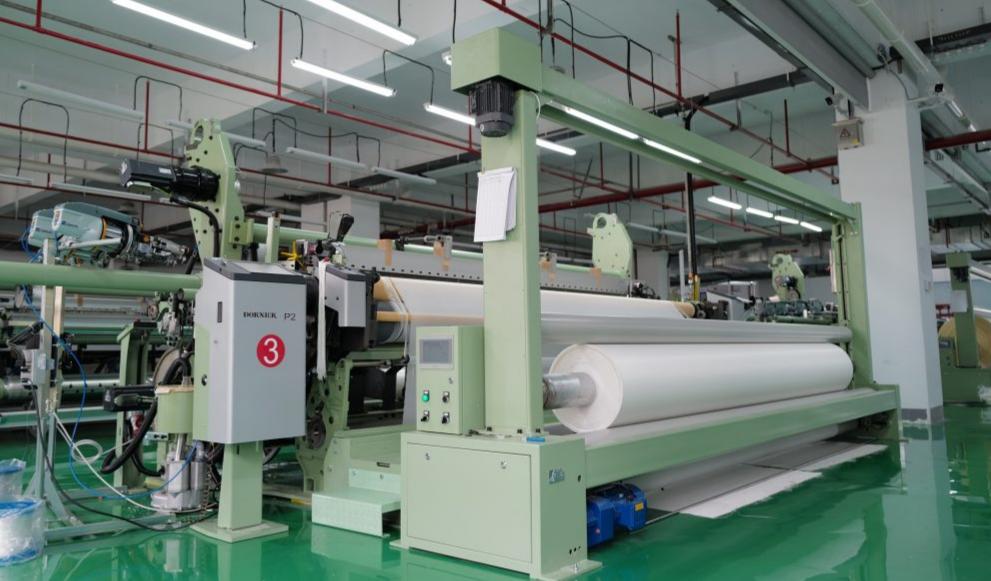
A filter cloth looks simple. It sits between slurry and filtrate. But in real work, it controls liquid flow, solid retention, cake formation, cake release, cleaning frequency, and even how often the equipment must stop. A poor cloth choice can make a good filter run badly. A suitable cloth can help the same filtration equipment keep a steadier cycle, clearer filtrate, and lower maintenance pressure.
Why Filter Cloth Matters in Industrial Filtration Efficiency
Filter cloth works as the main separation medium. Liquid passes through the fabric, while solids stay on the cloth surface and form a filter cake. This basic action affects the whole filtration result.
If the cloth is too tight, the liquid flow may become slow. The cycle becomes longer, and production capacity drops. If the cloth is too open, filtrate clarity may become poor because fine solids pass through. If cake release is weak, operators spend more time cleaning. If the cloth blinds too quickly, the equipment loses capacity long before the cloth is physically damaged.
So filter cloth affects industrial filtration efficiency in several ways at the same time: filtration speed, cake moisture, filtrate quality, cleaning time, replacement cost, and equipment uptime. The better choice is the cloth that fits the slurry, the equipment, and the final process target.
What Happens When Filter Cloth Is Not Matched Correctly
A wrong cloth selection rarely fails in one dramatic moment. It usually creates small daily problems that slowly become expensive.
Lower Filtration Speed
When air permeability or pore structure does not match the slurry, filtrate flow becomes slower. Operators may increase pressure or extend cycle time, but that only hides the root problem for a while. In continuous filtration equipment, slower flow means lower real throughput. In batch equipment, it means fewer cycles per shift.
Unstable Cake Moisture
Cake moisture depends on slurry properties, pressure or vacuum, cycle time, air drying, and cloth behavior. If the cloth blinds unevenly, filter cake formation also becomes uneven. Some areas release liquid well; some areas hold moisture. The final cake may look acceptable in one batch and too wet in the next.
More Cleaning and Replacement
Fine particles can block the cloth pores. Abrasive solids can wear the yarn surface. Acids, alkalis, solvents, or high temperatures can weaken the fabric. Once this starts, plants may clean the cloth more often, store more spare cloths, and stop equipment more frequently. That is where a low-priced cloth becomes expensive.
Main Filter Cloth Types Buyers Should Compare
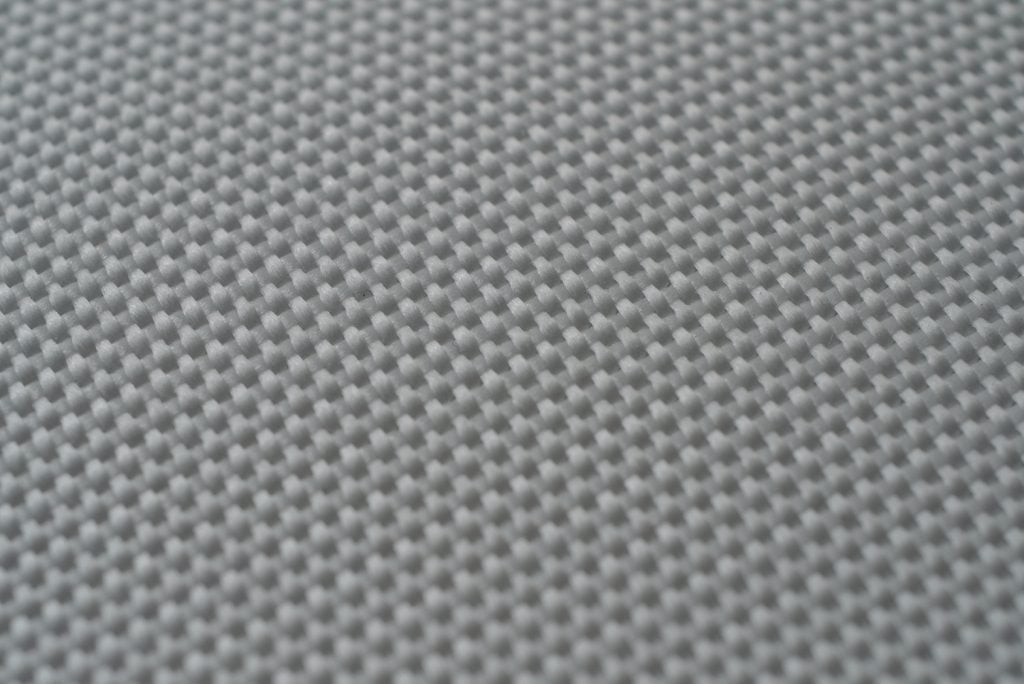
Different filter cloth structures behave differently. Buyers do not need to become textile engineers, but they should know the basic differences before ordering.
Woven and Non-Woven Filter Cloth
Woven filter cloth is made from yarns arranged in a regular structure. It gives more predictable pore size and is widely used in industrial filter equipment. Non-woven filter cloth has a more random fiber structure and can help retain fine particles, but it may blind faster in heavy-solids slurry.
Monofilament and Multifilament Cloth
Monofilament cloth has smoother yarns and clearer openings. It often helps cake release and cleaning. Multifilament cloth uses many fine fibers twisted together. It may improve retention, but fine solids can enter the yarn structure more easily.
Plain, Twill, and Satin Weave
Plain weave has a tight and uniform structure, but it may have lower filtration speed and shorter life in abrasive conditions. Twill weave can disperse stress better and is often used where strength and pressure resistance matter. A satin weave has a smoother surface, so it can help cake release in some sticky materials, though it is not suitable for every duty.
In real projects, filter cloth is always selected together with the filtration equipment. NHD’s Filter cloth series is designed to match different industrial filter equipment such as vacuum filters, filter presses, and belt filters, helping ensure stable filtration performance and longer service life under real operating conditions.
What Performance Parameters Should Buyers Check
A buyer should not only ask for the cloth size. The useful questions are more specific.
Air permeability affects flow rate. Higher permeability can improve filtration speed, but it may reduce fine particle retention. Filtration accuracy relates to the smallest particles the cloth can hold back. Cake release affects discharge time and cleaning work. Blinding resistance affects how long the cloth can keep stable flow.
Strength is also important. A cloth used in pressure filters must resist repeated squeezing. A cloth used in continuous equipment must handle movement, tension, and washing. Chemical resistance and temperature resistance should be checked against the real process stream, not a general industry label.
Edge treatment, hole position, fastening method, and dimensional stability also matter. A cloth that does not fit the equipment well can cause leakage, poor sealing, or local wear.
How Filter Cloth Works with Different Filter Equipment
Rotary Table Vacuum Filter Cloth
Rotary Table Vacuum Filter cloth is used in continuous vacuum filtration. It has to support cake formation, washing, drying, and discharge while the filter keeps running. In phosphoric acid, alumina, titanium dioxide, and similar duties, buyers should check scaling tendency, washing effect, cake release, and cloth recovery after cleaning.
Automatic Vertical Press Filter Cloth
Automatic vertical press filter cloth works under pressure and repeated cycles. It needs strength, stable movement, good washing recovery, and resistance to deformation. NHD’s vertical pressure filter equipment uses filter cloth in repeated washing, squeezing, air drying, and discharge stages, so cloth performance is tied closely to low-moisture cake output and automatic operation.
Belt Filter and Leaf Filter Cloth
Belt filter cloth has to move continuously. It is not only a filtration medium but also a moving part. Tracking stability, tensile strength, two-sided washing, and long belt life become important. Leaf Filter cloth is more related to fine filtration and clarification, so buyers should confirm solids content, viscosity, and filtration accuracy before selection.
Common Mistakes in Filter Cloth Procurement
The first mistake is buying only by size. Size is only the starting point. Material, permeability, weave, edge treatment, and equipment fit decide whether the cloth will work.
The second mistake is buying only by price. A cheaper cloth may need more cleaning, more replacement, and more downtime. In continuous filtration, one unplanned stop can cost more than the price difference between two cloth options.
Another mistake is treating filter cloth as a universal spare part. Vacuum filters, automatic press filters, belt filters, leaf filters, and plate and frame filter presses need different cloth behavior.
What Buyers Should Send Before Ordering
For a serious quotation, buyers should provide equipment type, model, filtration area, cloth drawing or old cloth sample, slurry name, solid content, particle size, pH, temperature, pressure or vacuum condition, target cake moisture, filtrate clarity requirement, cleaning method, and current cloth problem.
NHD can be reviewed when buyers want filter cloth supply together with filter equipment knowledge. Since NHD also supplies filter series and automatic press filter series, the cloth can be discussed together with equipment duty, cleaning method, cake moisture target, and spare parts planning.
FAQ
Q1: What information should buyers provide before choosing filter cloth?
A1: Buyers should provide equipment type, filter area, slurry type, particle size, solid content, pH, temperature, pressure or vacuum condition, target cake moisture, filtrate clarity requirement, cleaning method, and current cloth problem.
Q2: Is filter cloth usually purchased by MOQ?
A2: For industrial projects, MOQ depends on cloth size, equipment type, quantity of plates or filter areas, spare cloth demand, customization level, and delivery schedule.
Q3: Can filter cloth be customized for different filter equipment?
A3: Yes. Filter cloth can be customized by equipment model, filtration area, material, weave structure, air permeability, edge treatment, hole position, installation method, and cleaning requirement.
Q4: Can NHD support filter cloth selection, maintenance, and after-sales service?
A4: Yes. NHD can review the equipment type, slurry data, operating target, and current cloth problem before recommending a suitable filter cloth. Buyers can also discuss spare cloth planning, replacement cycles, cleaning methods, and after-sales support with NHD before ordering.