

Quotes for an EPC vs equipment supplier decision can arrive for the same plant and cover different work. One route carries the whole plant under a single contract. The other delivers equipment packages and leaves the engineering split with the owner. Read the scope before you read the price.
Pick the route before the tender. Project conditions pick it. How clear the scope is. Who holds an engineering team. How much site work the owner wants to run.
Where the Scope Boundary Falls
One Contract for the Whole Plant
An EPC contractor signs one contract. It covers engineering, procurement and construction. The owner faces one counterparty and one invoice stream. Design risk moves to that contractor. Change orders pass through one door. Standard contract forms then decide who pays when a delivery slips.
The single point of contact is the reason to choose it. It is also the reason the number runs higher.
Equipment Supply With Engineering Support
An equipment supplier delivers machines and process packages. The owner keeps the process guarantee. Interfaces between packages stay with the owner as well.
The route pays off for an owner with process engineers on staff. Those engineers review drawings. They answer vendor queries. They hold the design together between packages.
EPCM Sits Between Them
An EPCM contractor manages design and procurement for a fee. Contracts still sit with the owner. The contractor runs the schedule, the vendors and the site.
Take this shape when the owner keeps commercial control. The management fee buys coordination. It does not buy risk transfer.
Project Conditions That Decide the Route
How Clear the Scope Is
A greenfield plant with basic engineering finished gives a contractor something to price. A brownfield expansion does not. Tie-ins to a live pipe header, shared utilities and a plant that cannot stop all add unknowns.
Count the unknowns before the enquiry. Where they outweigh the knowns, fewer contractors bid. The ones that bid price the risk. That price lands inside the EPC number.
Who Holds the Engineering Team
Count the process engineers the owner can assign to the job. That number sets how many packages the owner can hold at once. A thin bench shows up later as late approvals and unanswered vendor queries.
An owner with a strong bench keeps the engineering and buys equipment. An owner with no bench takes the single contract.
How Much Site Work Stays With the Owner
Site work decides as much as design. Installation, commissioning and operator training all need people on the ground. A plant in another country needs a local crew and a supervisor who can travel.
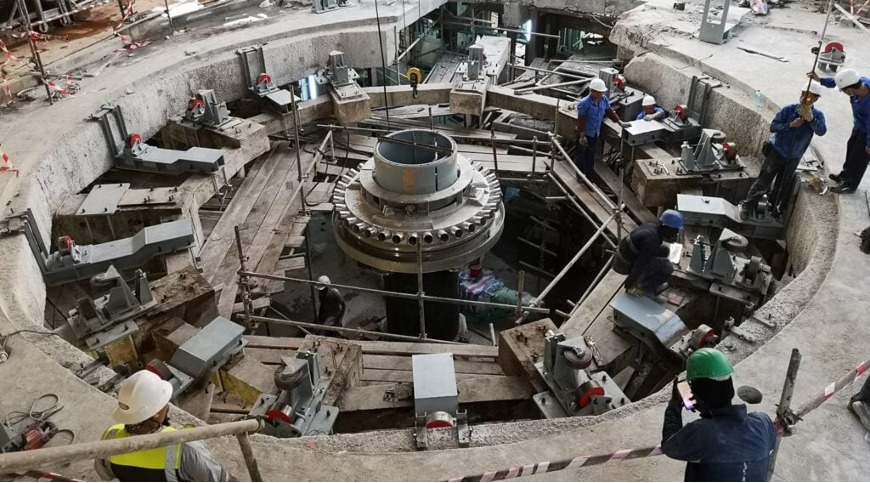
An EPC contract carries that work. An equipment contract leaves it with the owner, unless the supplier quotes installation as a separate scope.
What Changes in the Documents
Datasheets and the Approval Loop
Equipment supply lives or dies on documents. Drawings arrive late when nobody named them in the order. Data sheets go missing for the same reason. The approval route turns into a guess.
The purchase order carries the document list. Four items go on it. The general arrangement drawing. The piping and instrument diagram. The material certificates. The handover file. Two weeks is a workable review window for a drawing. Anything shorter pushes the ship date.
Testing Before Shipment
The feed analysis comes first. A supplier that quotes a machine before it sees that analysis is guessing. Ask what test proves the duty. Then watch that test run.
Factory acceptance comes next. Hydro test, performance run and instrument check belong in that window. Witnessing the test costs one air ticket. The same fault found on site stops the plant for weeks.
Commissioning and Handover
Commissioning splits the same way as design. An EPC contractor runs the loop test and trains the operators. An equipment supplier commissions its package and hands it over at the battery limit.
Write that boundary into the contract. Otherwise each side waits for the other at first start-up.
Questions That Sort the Two Routes
What the Price Covers
Compare purchase cost against ten-year cost of ownership. Wear parts, spare parts, power draw and service belong in the same sheet. One wear-part set can wipe out the price difference.
Ask for the wear-part list inside the bid. Ask for the replacement intervals. Then ask what one replacement set costs.
Who Signs for the Interfaces
Every plant carries interfaces. The control system is one. Utilities are another. Tie-in points and battery limits follow. The interface list needs a name against every line.
Under EPC, one contract covers all of them. Under equipment supply, the owner’s engineer covers them.
What Happens After Handover
Start-up ends the delivery. Service keeps the plant running. Ask where the spares sit. Ask who answers a breakdown call. Ask how many hours a technician needs to reach the site from the workshop.
A trading company buys the machine and resells it. A supplier with its own workshop and its own installation crew starts that machine up.
Where NHD Fits
Equipment and Engineering From One Group
NHD builds process equipment and also carries engineering work. The workshop covers 18,000 square metres. Ten product lines run through it. Robotic welding cells stand beside the laser cutters, and the machining centre sits in the same building. Pressure vessel design covers Grade 1 and Grade 2 vessels. GC2 piping runs through the same team.
Procurement goes through group companies in filter materials and stainless steel. Installation goes through a chemical equipment installation company inside the group. That combination changes the choice on some projects. An owner can buy equipment and add engineering support. An owner can also hand over a wider scope and keep one counterparty.
References With the Wider Scope
Two references show the wider scope. Shandong Xinfa Group bought a flue gas desulfurization plant. NHD carried the engineering and the equipment supply. The same team installed it and put it into service. The cobalt and nickel smelting project for MCC Ramu in Papua New Guinea ran a similar scope in a remote location.
Start the enquiry with the package list. Write the plant, the capacity, the site and the split you want to sales@chinanhd.com, or open the chat on +86 136 6732 4277. NHD matches the list against its own fabrication, engineering and installation capacity. The reply names the packages it would carry and the packages that stay with the owner.
Conclusion
Scope comes first. Clear it before the tender. Count the engineering people on the owner’s side. Write the document list into the contract. Name who runs commissioning. Put an owner against every interface. A single contract buys coordination and carries risk. A split package buys control and needs a bench behind it. Both work when the boundary is written down.
FAQs
Q1: What does an EPC contractor carry that an equipment supplier does not?
A1: An EPC contractor carries engineering, procurement and construction under one contract. Design risk and schedule risk sit with that contractor. An equipment supplier delivers machines and process packages. The owner keeps the process guarantee. Interface risk stays with the owner too.
Q2: When should an owner keep the engineering in house?
A2: Owners with process engineers on staff can review drawings and answer vendor queries. That bench makes a split package work. Owners without it usually take a single contract. Nobody inside the company can hold the design together.
Q3: How should equipment quotations be compared?
A3: Compare purchase cost against ten-year cost of ownership. Put wear parts, spares, power draw and service in the same sheet. Then read the interface list. Two quotes can look equal. They can still cover different boundaries.