 Persian
  English
  French
  Spanish
  Russian
  Arabic
  Portuguese
  Indonesian
  German
  Turkish
  Vietnamese
  中文
中文  انطباق معدن سبز در سال 2026 فراتر از پیروی از دستورالعمل های اساسی تولید است. اکنون کنترل زباله ها، استفاده مجدد از آب و پیشگیری از آلودگی نقش حیاتی در تصمیم گیری در مورد اینکه آیا شرکت های معدنی می توانند عملیات خود را به طور پایدار انجام دهند، ایفا می کنند. برای درک این تغییر، باید بررسی کنیم که چگونه مدیریت زباله های معدن در میان تقاضای سخت تر محیط زیست تکامل می یابد.
تغییر چشم انداز مدیریت زباله های معدن در 2026
بخش معدن با تغییر عمده ای در مدیریت زباله ها روبرو است. این تغییر ناشی از قوانین محیط زیست سختگیرانه تر و تمرکز بر کارایی بهتر است. در سال ۲۰۲۶، پایداری و ابزارهای دیجیتال موج آینده استراتژی های پایین را شکل خواهند داد.
محرکات کلیدی پشت تکامل مدیریت زباله
قوانین سختگیرانه محیط زیست شرکت های معدنی را وادار می کند تا روش های قدیمی دفع زباله ها را دوباره در نظر بگیرند. وظایف مربوط به ESG بازیابی آب و کاهش ریسک را به بخش های اصلی تلاش های پایداری کسب و کار تبدیل کرده است. در سراسر جهان، اپراتورها اکنون بر کاهش آسیب های زیست محیطی و بهترین استفاده از منابع تأکید می کنند.
ابزارهای دیجیتال و اتوماسیون به عنوان کمک کنندگان اصلی برای مدیریت زباله های ایمن تر و صاف تر برجسته می شوند. تنظیمات کنترل هوشمند به اپراتورها اجازه می دهد تا فرآیندهای پایین را زنده تماشا کنند و حتی زمانی که شرایط متفاوت است، امور را ثابت نگه دارند. شرکت ها به فناوری اتوماسیون سرمایه گذاری می کنند که سنسورها، تجزیه و تحلیل پیش بینی و تغییرات مبتنی بر هوش مصنوعی را برای برآورده کردن قوانین و افزایش سود ترکیب می کند.
فشارهای نظارتی و محیطی که بر تغییرات تاثیر می گذارند
دولت های سراسر جهان قوانین ذخیره سازی زباله را پس از شکستن سد قابل توجهی در زمان های اخیر سخت تر می کنند. تنظیمات ESG تقاضای گزارش های واضح در مورد اثرات محیط زیست را دارند و از کسب و کارها خواستار اتخاذ عادات محتاط تر می شوند. نظارت عمومی و سرمایه گذاران امیدوارند تقاضا را برای سیستم های پایین محکم افزایش دهند که ایمنی، باز بودن و ریسک های بلند مدت را کاهش دهند.
نقش ضخیم کننده ها در پردازش کوره های مدرن
ضخامت کردن به عنوان یک مرحله ضروری در مرحله اولیه دستکاری باقی مانده با متمرکز کردن آبپاشی قبل از آبپاشی یا دفع بیشتر عمل می کند. این روش بازیافت آب را افزایش می دهد و مقدار زباله های مورد نیاز به ذخیره سازی را کاهش می دهد.
اصول ضخامت در مدیریت زباله
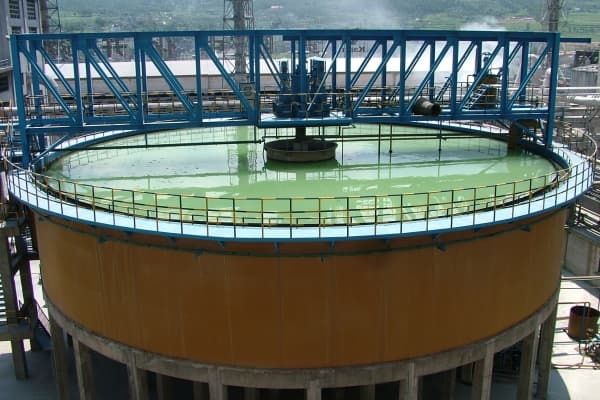
یک ضخیم کننده یک دنده رسوب مبتنی بر جاذبه است که مخلوطات مایع و جامد را در مراحل یکنواخت تقسیم می کند. آن را به سمت مرکز با استفاده از یک اسکراپر جمع آوری می کند و آن را از خروجی آزاد می کند. در نتیجه، تراکم زیر جریان افزایش می یابد در حالی که آب افراطی پاک می شود. ضخامت قوی سطح بازیابی آب را در گیاهان افزایش می دهد و نیاز به آب شیرین را به شدت برش می دهد.
در کاربردهای معدنی، ضخیم کننده ها به عنوان ابزارهای اولیه آب زدایی کار می کنند که تغذیه پایدار را برای دستگاه هایی مانند فشرده های فیلتر آماده می کنند. از طریق رسوب، آنها به سطوح جامد بالاتر می رسند، که مصرف انرژی را در مراحل بعدی آب زدایی مکانیکی کاهش می دهد.
پیشرفت در طراحی و عملیات ضخیم کننده در 2026
ضخامت کننده فعلی اتوماسیون استرس، قابلیت اطمینان و اجرای مقیاس بزرگ را ایجاد می کند. کنترل خودکار به این معنی است که پس از نصب، مشتریان به سادگی قدرت را به کابینت کنترل متصل می کنند و واحد را روشن می کنند. سپس، تمام وظایف معمولی - از جمله اصلاحات برای مسائل مانند بلند کردن راک - به تنهایی اتفاق می افتند. این تنظیم درگیری انسان را کاهش می دهد و در میان بارهای تغییر دهنده، خروجی ثابت را حفظ می کند.
علاوه بر این، می تواند غلظت آبپاشی را از 55٪ مواد جامد به 70٪ افزایش دهد (هیچ شرکت دیگری در سراسر جهان با این مطابقت ندارد). این ضخیم کننده های با تراکم بالا به شدت نیازهای فضایی را برای استخر های باقی مانده کاهش می دهند و شانس استفاده مجدد آب را در جریان گیاهان به حداکثر می رسانند. ویژگی هایی مانند سنجش گشتاور و تنظیمات بلند کردن راک با جلوگیری از بارگذاری بیش از حد یا مسدود شدن در طول انباشت رسوبات، کار ایمن را تضمین می کند.
فناوری مطبوعات فیلتر: تغییر شیوه های دفع زباله
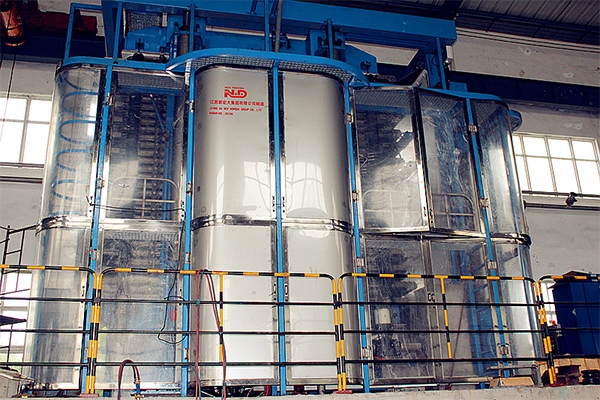
پس از ضخامت، مطبوعات فیلتر واحدها با فشار دادن مواد جامد از مایعات به طور مکانیکی، آب زدایی را به پایان می رسانند - یک اقدام حیاتی برای ایجاد زباله های خشک و قابل انباشت مناسب برای دفع ایمن یا استفاده مجدد به روش های سازگار با محیط زیست.
درک چگونگی کار فشرده های فیلتر در خشک کردن زباله
مطبوعات فیلتر از طریق فیلتراسیون مبتنی بر فشار عمل می کنند، جایی که پمپ های آشپزی به اتاق های پوشیده شده با پارچه های فیلتر که مواد جامد را نگه می دارد و اجازه می دهد مایع جریان یابد. کیک فیلتر خروجی دارای رطوبت کم است که خطرات نشت از ذخیره سازی معمولی زباله های مرطوب را کاهش می دهد. با انتخاب های هوشمند و استفاده مناسب از فشرده های فیلتر، شرکت های شیمیایی می توانند تصفیه فاضلاب، بازیابی حلال و کشیدن محصول در فرآیندهای مختلف را به دست آورند. در محیط های معدن، آب بازیافت شده به خطوط پردازش بازمی گردد، بهره وری کارخانه را افزایش می دهد و منابع طبیعی را صرفه جویی می کند.
پیشرفت در فناوری مطبوعات فیلتر تا سال 2026
در سال 2026، ایده های جدید رشد اندازه و اتوماسیون لینک ها را در سایت های بزرگ معدن هدف قرار خواهند داد. فیلتر کاملاً اتوماتیک نیازهای نیروی کار را از طریق چرخه های خود تمیز کردن و چک های از راه دور کاهش می دهد که زمان بیکار بین دسته ها را کوتاه می کند. اندازه های صفحه بزرگتر حجم های بیشتری را اداره می کنند که برای گیاهان معدنی بزرگ کلیدی است.
تنظیمات ترکیبی مخلوط کردن فشرده مکانیکی با تکنولوژی فشرده غشایی خشکی بهتر را به ارمغان می آورد - مناسب برای انباشت خشک یا وظایف پر کردن پشتیبان که با اهداف معدن سبز متناسب است.
ادغام ضخامت کننده ها و فشرده های فیلتر برای عملیات های پایدار معدن
کار تیمی بین ضخامت و فیلتراسیون پایه ای برای برنامه های پایدار پایه های معدن به سمت سال 2026 تشکیل می دهد.
همکاری فرآیند بین مراحل ضخامت و تصفیه
ضخامت کننده ها به عنوان واحد های آماده سازی آب زدایی که حتی به فشرده های فیلتر تغذیه می کنند، نتایج فیلتر را ثابت می کنند و طول چرخه را کوتاه می کنند. این روش مرتبط مصرف کلی انرژی را در هر دو مرحله کاهش می دهد زیرا فیلتراسیون مکانیکی پس از رسوب خوب کار کمتری می کند. اجرای مشترک این ابزارها منجر به مناطق کوچکتر به لطف رطوبت پایین تر و ویژگی های جامد بهتر، بهبود ایمنی محیط زیست و ثبات اجرا می شود.
مزایای سیستم های ترکیبی برای انطباق معدن سبز در 2026
تنظیمات مطبوعات ضخیم کننده فیلتر متصل به تلاش های معدن سبز با تعویض ذخیره سازی مرطوب قدیمی برای انتخاب های خشک سازی ایمن تر. آنها اجازه تقسیم بهتر جامد-مایع را می دهند، درست برای پر کردن چسبان یا استفاده مجدد در مواد ساختمانی - بخش های اصلی برنامه های اقتصاد دایره ای.
سیستم های مطبوعات ترکیبی ضخامت دهنده و فیلتر به معادن کمک می کنند تا آب بیشتری را بازیافت کنند و خطرات استخر های زباله را کاهش دهند. ضخیم کننده ابتدا شیر را متمرکز می کند و آب فرآیند را بازیابی می کند، در حالی که فشار فیلتر رطوبت بیشتری را برای تولید کیک های خشک تر حذف می کند. این امر انباشت، حمل و نقل یا استفاده مجدد زباله را آسان تر می کند و از عملیات معدن ایمن تر و سبز تر در سال 2026 پشتیبانی می کند.
روند آینده در فناوری های مدیریت زباله ها فراتر از سال 2026
فراتر از سال 2026، دور بعدی مدیریت پایه های معدن به تنظیمات اتوماسیون هوشمند متکی خواهد بود که قادر به پیش بینی کنترل بر روی خطوط فرآیند کامل است.
اتوماسیون، هوش مصنوعی و تجزیه و تحلیل داده ها در سیستم های کنترل پایه
ابزارهای پیش بینی نگهداری با استفاده از سنسورهای IoT، دسترسی تجهیزات را از طریق چک های زنده افزایش می دهد که از توقف های شگفت انگیز قبل از زمان جلوگیری می کند. روش های تنظیم هوش مصنوعی دوز فلوکولانت یا فشار فیلتراسیون را در پرواز از داده های سنسور تنظیم می کنند و کیفیت خروجی را حتی با تغییر تغذیه حفظ می کنند.
پانل های نمایش زنده به مهندسان نمایش مفید در سراسر سایت ها را در یک زمان می دهند و از انتخاب های سریع پشتیبانی می کنند که با اهداف خروجی با اهداف پایدار مطابقت دارند.
به سمت رویکرد اقتصاد دایره ای در مدیریت زباله های معدن
ایده های اقتصاد دایره ای چگونگی درمان شرکت های معدنی با زباله ها و فاضلاب را تغییر می دهند. به جای اینکه زباله های معدن را فقط به عنوان یک مشکل دفع در نظر بگیرند، اپراتورهای بیشتری به دنبال راه هایی برای بازیابی آب، استفاده مجدد از باقیمانده های جامد و کاهش نیاز به منابع خام جدید هستند.
پس از سال 2026، مدیریت باقی ماندگی بیشتر بر استفاده مجدد از آب با حلقه بسته و سیستم های فیلتراسیون ضخامت کارآمد تمرکز خواهد کرد. ضخیم کننده ها ابتدا آب را از آشپزی بازیابی می کنند، در حالی که فیلتر باقی مانده های آب را به کیک های خشک می رساند. این امر استفاده از آب شیرین را کاهش می دهد، وابستگی به حوض زباله را کاهش می دهد و شانس بیشتری برای استفاده مجدد از زباله ها در مواد پشتیبان یا ساختمانی ایجاد می کند.
سوالات متداول
Q1: چه مزایایی سیستم های مطبوعات ضخامت کننده فیلتر یکپارچه نسبت به استخر های سنتی ارائه می دهند؟
A1: آنها به شدت از دست دادن آب از تبخیر یا نشت را کاهش می دهند در حالی که اجازه می دهند انباشت خشک که خطرات زیست محیطی بلند مدت مرتبط با ذخیره سازی مرطوب را کاهش می دهد.
Q2: چگونه اتوماسیون عملکرد ضخیم کننده مدرن را بهبود می بخشد؟
A2: کنترل های اتوماتیک گشتاور تماشای تنش های مکانیکی در طول اجرا؛ اگر مقاومت عجیب و غریب از رسوبات ایجاد شود، ریک ها به طور خودکار موقعیت خود را تغییر می دهند، بدون کمک انسان جریان را حفظ می کنند.
سوال3کجا می توانم راه حل های پیشرفته برای پروژه های آب زدایی معدن در مقیاس بزرگ را پیدا کنم؟
A3: برای سیستم های جداسازی جامد و مایع کامل ترکیب ضخامت و فناوری فیلتراسیون ساخته شده برای اجرای پایدار تا سطوح 2026، بررسی کنید NHDفیلترهای مطبوعات اتوماتیک و ضخامت کننده ها