 Indonesian
  English
  French
  Spanish
  Russian
  Arabic
  Portuguese
  German
  Turkish
  Persian
  Vietnamese
  中文
中文 
Kegiatan pertambangan yang mendekati 2026 mengalami transformasi mendasar daripada fluktuasi pasar biasa. Operasi sekarang menghadapi beberapa batasan, termasuk tujuan pengurangan emisi yang ambisius, pasokan air yang terbatas, konsentrasi bijih yang terus-menerus lebih miskin, ketidakpastian dalam ketersediaan sumber daya global karena faktor geopolitik, dan meningkatnya permintaan untuk praktik operasional yang jelas.
Analisis industri menunjukkan bahwa efektivitas pertambangan semakin bergantung pada optimasi prosedural daripada hanya pada volume ekstraksi. Teknologi, seperti pemisahan padat-cair, manajemen stabilitas lumpur, dan pemulihan sumber daya yang lebih baik, secara langsung mempengaruhi konsumsi energi, pengaruh ekologis, dan kelayakan keuangan keseluruhan proyek. Pilihan peralatan, sebelumnya hanya dilihat sebagai rincian teknis, telah berevolusi menjadi faktor penting yang dapat menentukan ketahanan operasional jangka panjang.
Artikel ini mengeksplorasi perkembangan utama yang mempengaruhi sektor pertambangan pada tahun 2026, dan menggambarkan cara-cara di mana pendekatan rekayasa dalam pemrosesan beradaptasi dengan perubahan mendalam ini.
Mengapa Dekarbonisasi Tidak Lagi Opsional Untuk Operator Pertambangan?
Permintaan untuk mineral yang penting untuk transisi energi terus tumbuh di seluruh dunia, meskipun proses ekstraksi itu sendiri membutuhkan input energi yang substansial. Ketegangan yang melekat ini memaksa fasilitas untuk menghasilkan jumlah material yang lebih besar sementara secara bersamaan menurunkan intensitas karbon yang terkait dengan produksi.
Pendekatan untuk pengurangan emisi sekarang memperluas lebih jauh ke tahap pengolahan mineral hulu melampaui penggabungan sederhana sumber listrik terbarukan.
Bagaimana Peralatan Proses Mempengaruhi Jejak Karbon?
Efektivitas dalam proses penyaringan mempengaruhi jumlah energi panas yang dibutuhkan dalam langkah-langkah selanjutnya. Mencapai tingkat kelembaban yang lebih rendah dalam kue filter mengurangi persyaratan untuk pengeringan, mengurangi penggunaan bahan bakar, dan mengurangi pelepasan gas rumah kaca. Peningkatan pemisahan pada tahap awal juga mengurangi tuntutan yang ditempatkan pada sistem pemompaan.
Akibatnya, kemampuan pemisahan yang superior berfungsi sebagai metode tidak langsung untuk mengendalikan emisi.
Bisakah Optimasi Mekanik Mengganti Ekspansi Energi?
Banyak fasilitas mencapai penurunan output karbon yang signifikan melalui peningkatan tingkat tekanan filtrasi, keseluruhan cuci, dan konsistensi kontrol otomatis, daripada tergantung pada instalasi pengeringan yang lebih besar. Penyelesaian mekanis semacam itu sering menghasilkan kemajuan yang lebih cepat menuju emisi yang lebih rendah dibandingkan dengan peningkatan infrastruktur yang luas.
Bagaimana Kekurangan Air Akan Mengubah Desain Pengolahan Mineral?
Akses terbatas ke air telah muncul sebagai batasan signifikan di berbagai distrik pertambangan. Peningkatan pengawasan peraturan dan tekanan masyarakat memperkuat kebutuhan untuk membatasi konsumsi air tawar.
Reklamasi air sekarang harus peringkat sebagai aspek dasar desain daripada hanya langkah lingkungan tambahan.
Mengapa Filtrasi Efisiensi Tinggi Penting Untuk Pemulihan Air?
Kinerja pengurangan air yang efisien memungkinkan volume air proses yang lebih besar untuk memasuki kembali sistem sirkulasi. Sistem yang menggunakan penyaringan tekanan terus menerus membatasi kerugian cairan secara efektif sambil memastikan kondisi yang stabil untuk tahap penanganan selanjutnya.
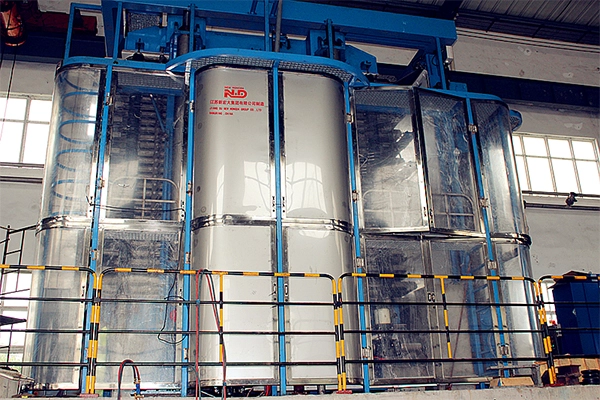
yang dirancang dengan baik Filter Tekanan Otomatis Vertikal dapat mencapai penyaringan terus menerus, pencucian yang efektif, dan pengeringan air penuh di ruang fisik yang relatif kecil. Operasi otomatis dan kandungan kelembaban tersisa yang rendah mengurangi penggunaan air dan konsumsi energi, dengan demikian mempromosikan daur ulang yang stabil di seluruh logam non-ferrous dan sirkuit pengolahan kimia.
Apakah operasi terus menerus meningkatkan stabilitas?
Gangguan yang terkait dengan pemrosesan batch menciptakan variasi dalam pengaturan pengembalian air. Penyaringan yang stabil memberikan pola aliran yang konsisten, yang memungkinkan regulasi yang lebih tepat selama fase penebalan dan flotasi.
Apa Arti Disiplin Modal dalam Siklus Komoditas Volatilitas Tinggi?
Pasar untuk komoditas terus merespon dengan kuat terhadap perkembangan politik internasional dan pola investasi. Alokasi sumber daya keuangan sekarang menekankan daya tahan dan manfaat siklus hidup keseluruhan daripada pengurangan biaya langsung selama pembelian.
Keandalan operasional semakin membentuk dasar untuk penilaian kinerja daripada tingkat produksi maksimum.
Apakah Anda mengevaluasi total biaya kepemilikan?
Kesuksesan jangka panjang tergantung pada beberapa faktor:
- Frekuensi kegiatan pemeliharaan yang diperlukan
- Keandalan fitur otomatis
- konsumsi daya per ton yang diproses
- kemampuan untuk menahan kondisi korosif dan penumpukan
Gangguan yang tidak direncanakan biasanya melebihi biaya akuisisi awal selama durasi proyek.
Bagaimana Desain Struktural Mempengaruhi Ekonomi Jangka Panjang?
Pilihan bahan konstruksi dan integritas struktural secara keseluruhan secara langsung menentukan tingkat ketersediaan peralatan. Implementasi paduan canggih dan pola aliran yang direkayasa dengan hati-hati meminimalkan masalah skala, memperpanjang periode antara pemeliharaan, dan mempertahankan kinerja filtrasi bahkan di lingkungan kimia yang menuntut.
Bagaimana Anda harus mempersiapkan bijih yang lebih kompleks dan kelas yang lebih rendah?
Karakteristik bijih yang memburuk membutuhkan penanganan jumlah yang lebih besar untuk mempertahankan tingkat produksi logam. Situasi ini menempatkan tekanan tambahan pada teknologi pemisahan dan sistem yang dirancang untuk manajemen bubur.
Efektivitas prosedur pada akhirnya menentukan kelayakan ekonomi inisiatif ekspansi.
Dapatkah Area Filtrasi yang Lebih Besar Meningkatkan Efisiensi?
Pengaturan filtrasi dengan area permukaan yang diperluas mendukung throughput yang lebih tinggi tanpa membutuhkan peningkatan proporsional dalam jumlah peralatan. Kapasitas filtrasi yang lebih besar mempromosikan pencucian yang lebih seragam dan tingkat pemulihan yang konsisten, terutama berharga dalam operasi yang melibatkan bahan fosfat, produksi alumina, dan perawatan hidrometalurgi.
Apakah Slurry Conditioning Variabel Tersembunyi?
Kualitas agitasi memiliki pengaruh yang signifikan terhadap hasil filtrasi. Suspensi yang efektif mempertahankan distribusi partikel dan mendukung pengembangan kue yang tepat. Oleh karena itu, karakteristik aliran internal dalam reaktor dan pengepalan memiliki dampak yang lebih besar pada hasil pemisahan berikutnya daripada kekuatan vakum itu sendiri.
Peran apa yang dimainkan otomatisasi dalam mitigasi risiko?
Implementasi otomatisasi dalam pertambangan telah maju dari terutama meningkatkan produktivitas menuju meningkatkan langkah-langkah keselamatan dan mengendalikan potensi bahaya.
Pengawasan digital memberikan manfaat yang bermakna terutama ketika komponen mekanis yang mendasarinya berfungsi secara andal selama layanan berkelanjutan yang diperpanjang.
Apakah Diagnostik Diri Mengurangi Intervensi Manual?
Mesin filtrasi kontemporer menggabungkan kemampuan diagnostik bawaan, pelacakan tekanan terus menerus, dan mekanisme peringatan yang mengurangi keterlibatan personel dalam pengaturan berbahaya. Pendekatan layanan prediktif membatasi penghentian yang tidak terduga dan meningkatkan kontinuitas proses secara keseluruhan.
Apakah Modularitas Meningkatkan Penyebaran Global?
Peralatan yang dibangun dengan prinsip modular menyederhanakan prosedur pengaturan di lokasi pertambangan yang terisolasi. Unit pra-dirakit pabrik mempercepat jadwal startup dan mengurangi ketergantungan pada tenaga kerja lokal yang luas untuk konstruksi.
Siapa yang mendukung lokalisasi proses skala besar dan penggantian industri?
Fluktuasi dalam jaringan pasokan global telah meningkatkan minat pada penyedia peralatan yang menawarkan kemampuan desain terintegrasi vertikal, proses manufaktur, dan eksekusi rekayasa komprehensif. Pada tahap penilaian, menjadi relevan untuk mempertimbangkan perusahaan yang menggabungkan pengetahuan proses yang luas dengan kapasitas manufaktur terintegrasi.
Didirikan pada tahun 1992, NHD telah tumbuh menjadi organisasi rekayasa dan peralatan skala besar yang mengintegrasikan R & amp; D, produksi, instalasi, dan penuh Pengiriman EPC, dan mengkhususkan diri dalam penyaringan, penebalan, agitasi, dan teknologi pemisahan. Kami memiliki fasilitas manufaktur yang mencakup 270.000 meter persegi dan mempekerjakan lebih dari 800 staf dan banyak ahli teknis. Kami mendukung industri, seperti produksi kimia fosfor, pemurnian alumina, pengolahan logam non-ferrous, dan manajemen lingkungan. Produk utama kami termasuk solusi penumpukan kering ekor, bahan paduan tahan korosi, dan sistem penyaringan efisiensi tinggi yang diterapkan di lebih dari 50 negara.
Pengembangan paten yang luas dan kerjasama kami dengan lembaga penelitian mempromosikan peningkatan teknologi pemisahan padat-cair dan kehandalan proses, sehingga memungkinkan solusi terintegrasi secara keseluruhan daripada penyediaan komponen tunggal.
Bagaimana Filtrasi Vakum Sabuk Bisa Meningkatkan Tails dan Stabilitas Pemrosesan Basah?
Sirkuit pengolahan mineral khusus membutuhkan penyaringan terus menerus yang mampu mengelola volume bubur yang substansial dan penghapusan kue yang dapat diandalkan.
Pengaturan sabuk vakum horizontal memenuhi kebutuhan ini melalui bagian filtrasi yang ditentukan dan fase cuci yang diatur.
Di mana Penyaringan Vakum Horizontal Cocok Terbaik?
Aplikasi umum meliputi:
- fasilitas manfaat
- jalur produksi asam fosfat
- pengobatan lumpur metalurgi
- manajemen produk sampingan desulfurisasi
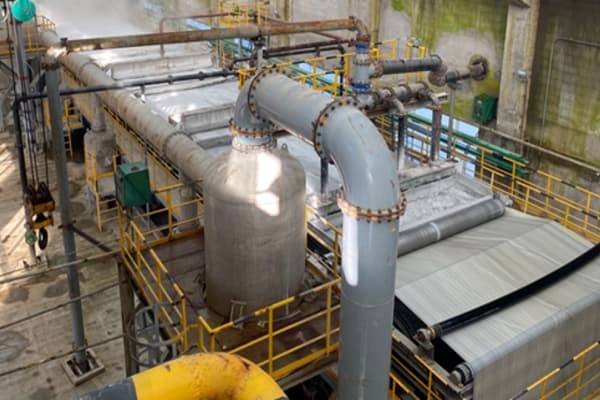
Sebuah Filter vakum sabuk karet horizontal mencapai pemisahan padat-cairan yang stabil melalui penerapan gaya vakum dan efek gravitasi, yang mengarah pada pembentukan kue yang konsisten dan pencucian yang efektif yang cocok untuk lingkungan pengolahan volume tinggi.
Apakah Kekeragaman Kue Mengurangi Risiko Lingkungan?
Bahkan distribusi ketebalan kue menstabilkan perilaku selama operasi penumpukan ekor dan mengurangi variasi pola penyebaran. Konsistensi semacam itu meningkatkan prediksi dari perspektif lingkungan dan menyederhanakan tugas manajemen material berikutnya.
Bagaimana Transparansi ESG Mempengaruhi Keputusan Peralatan?
Praktik pengungkapan lingkungan sekarang lebih bergantung pada indikator kinerja yang dapat diukur daripada pernyataan kebijakan yang luas.
Demonstrasi hasil nyata melalui data yang dikumpulkan telah menjadi penting.
Bisakah Pilihan Peralatan Meningkatkan Kredibilitas Pelaporan?
Operasi penyaringan yang dapat diandalkan mendukung pemantauan yang stabil dari beberapa metrik:
- Tingkat Reklamasi Air
- Tingkat penggunaan energi
- Persentase ketersediaan operasional
- Jumlah limbah diminimalkan
Mesin yang dapat dipercaya mengubah dokumentasi ESG menjadi bukti konkret dan dapat diverifikasi yang berasal dari operasi sehari-hari daripada perkiraan spekulatif.
Kesimpulan
Sektor pertambangan pada tahun 2026 menuntut koordinasi tinggi antara pilihan rekayasa teknis dan tujuan strategis yang lebih luas. Dekarbonisasi, konservasi sumber daya air, pengolahan bijih kompleks, implementasi sistem otomatis, dan manajemen modal yang bijaksana adalah kesulitan yang saling berhubungan daripada usaha terpisah.
Teknologi pemisahan padat-cair saat ini mempengaruhi tingkat emisi, biaya operasional, kepatuhan lingkungan, dan stabilitas produksi sekaligus. Perusahaan yang memprioritaskan metode filtrasi yang efektif dan desain proses terintegrasi memposisikan diri mereka secara menguntungkan untuk mengelola ketidakpastian sambil mempertahankan posisi pasar yang abadi.
Masa depan pengembangan industri akan tergantung lebih sedikit pada volume ekstraksi saja dan lebih banyak pada kemampuan sistem pengolahan untuk mengubah sumber daya dengan lebih sedikit limbah, energi, dan risiko.
Pertanyaan FAQ
Q1: Mengapa efisiensi filtrasi mendapatkan pentingnya strategis dalam proyek pertambangan?
A: Kinerja penyaringan yang ditingkatkan mengurangi kebutuhan energi, meningkatkan volume air yang dipulihkan, menstabilkan prosedur manajemen ekor, dan mengurangi biaya keseluruhan sepanjang siklus hidup peralatan.
Q2: Kapan harus penyaringan tekanan lebih disukai daripada penyaringan vakum?
A: Penyaringan berbasis tekanan menguntungkan dalam situasi yang menuntut kandungan kelembaban residual yang sangat rendah atau efektivitas cuci yang unggul, terutama dalam perawatan hidrometalurgi atau aplikasi pengolahan kimia.
Q3: Bagaimana otomatisasi peralatan mendukung tujuan ESG?
J: Pengawasan otomatis meningkatkan keseragaman operasional, membatasi paparan personil terhadap risiko, dan menghasilkan informasi kinerja yang dapat diukur yang diperlukan untuk dokumentasi lingkungan yang kredibel.