
 Indonesian
  English
  French
  Spanish
  Russian
  Arabic
  Portuguese
  German
  Turkish
  Persian
  Vietnamese
  中文
中文 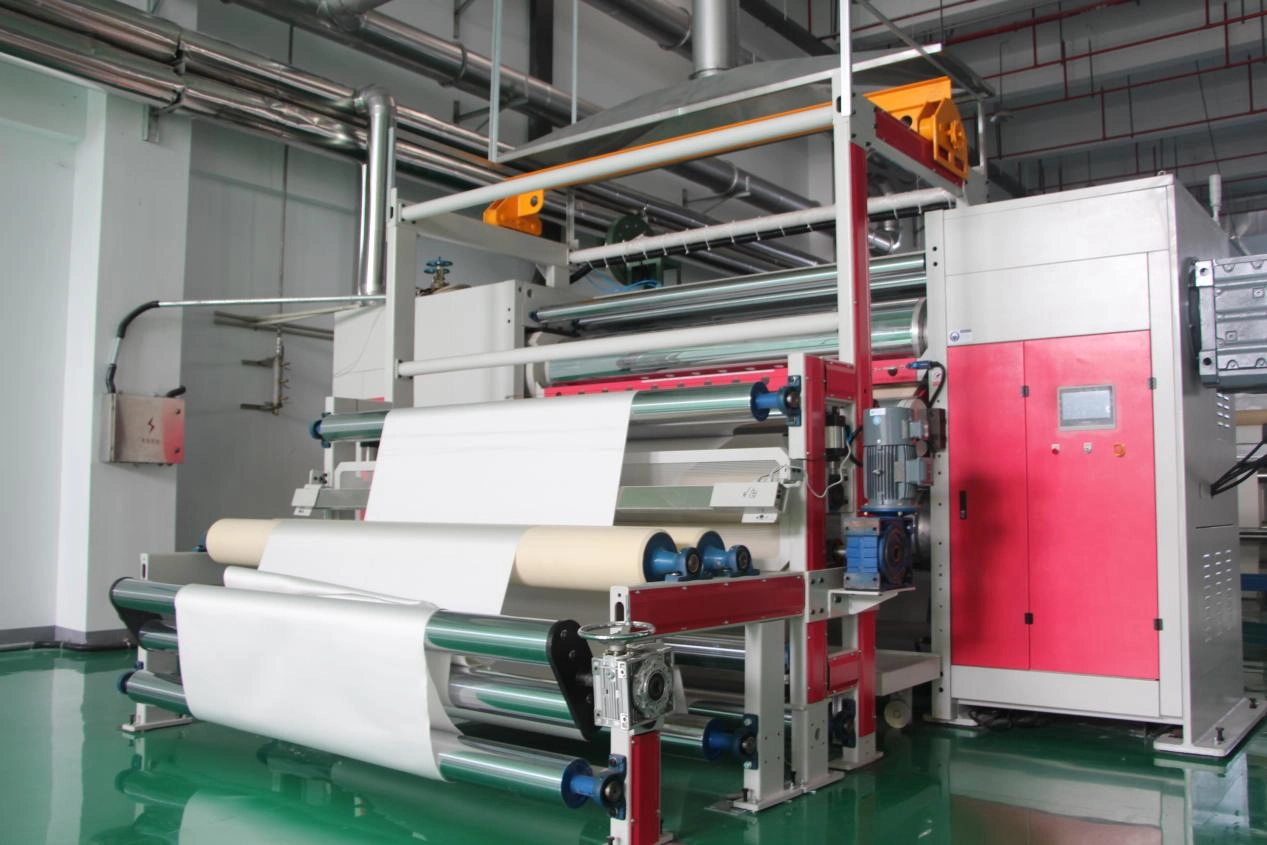 Di pabrik yang sibuk di pertambangan, pengolahan kimia, dan pengolahan air limbah, mesin penyaring berjalan tanpa henti. Suatu hari, kue melepaskan bersih dan aliran tetap kuat; Selanjutnya, semuanya perlahan. Gagal kain filter tiba-tiba membawa berhenti yang tidak direncanakan, tenaga kerja tambahan, dan meningkatnya biaya. Data industri menunjukkan keausan dini menyebabkan hingga 30 persen downtime dalam sistem filtrasi. Meningkatnya harga bahan dan aturan lingkungan yang lebih ketat membuat setiap jam produksi yang hilang lebih menyakitkan.
Blog ini mengungkap lima pembunuh tersembunyi yang memotong umur filter kain. Dari ayunan pH yang keras hingga stres mekanis yang tidak diketahui, masing-masing mencuri kinerja dengan tenang. Anda akan belajar tanda-tanda peringatan yang jelas, mengapa mereka terjadi, dan bagaimana pilihan kain filter yang lebih cerdas meningkatkan efisiensi filter press. Apakah Anda menjalankan mesin pers ruang atau unit vertikal, wawasan ini membantu Anda berhenti menebak dan mulai melindungi investasi kain filter Anda.
Pembunuh 1: Tingkat pH dan Serangan Kimia
Ayunan ekstrim dalam pH buburan diam-diam memecah serat lama sebelum Anda melihat air mata yang jelas. Asam atau alkali menyerang rantai polimer pada tingkat molekuler, melemahkan seluruh struktur. Kain filter yang bertahan 1.000 siklus dalam kondisi netral dapat turun menjadi 300 siklus ketika pH mengapung di luar zona kenyamanan.
- pH Ekstrem dan Kerusakan Serat
Poliester (PET) menangani asam kuat dengan baik namun kehilangan kekuatan dengan cepat dalam larutan kaustik di atas pH 11. Ikatan ester hidrolisis, mengubah benang keras rapuh. Nylon (PA) melakukan sebaliknya: ia berdiri terhadap alkali tetapi larut perlahan dalam asam di bawah pH 3. Pada tanaman nyata, satu lonjakan pH menjadi 12 dapat mengurangi kekuatan tarik sebesar 40 persen dalam beberapa minggu. Tanpa pemeriksaan reguler, operator mengganti kain jauh lebih cepat dari yang diperlukan.
- Kompatibilitas Bahan Penting Lebih dari Harga
Tidak’ tidak disesatkan oleh pilihan murah yang membutuhkan perubahan mingguan karena serangan kimia. Selalu cocok serat dengan kimia Anda.
Berikut adalah perbandingan praktis dari kain filter umum:
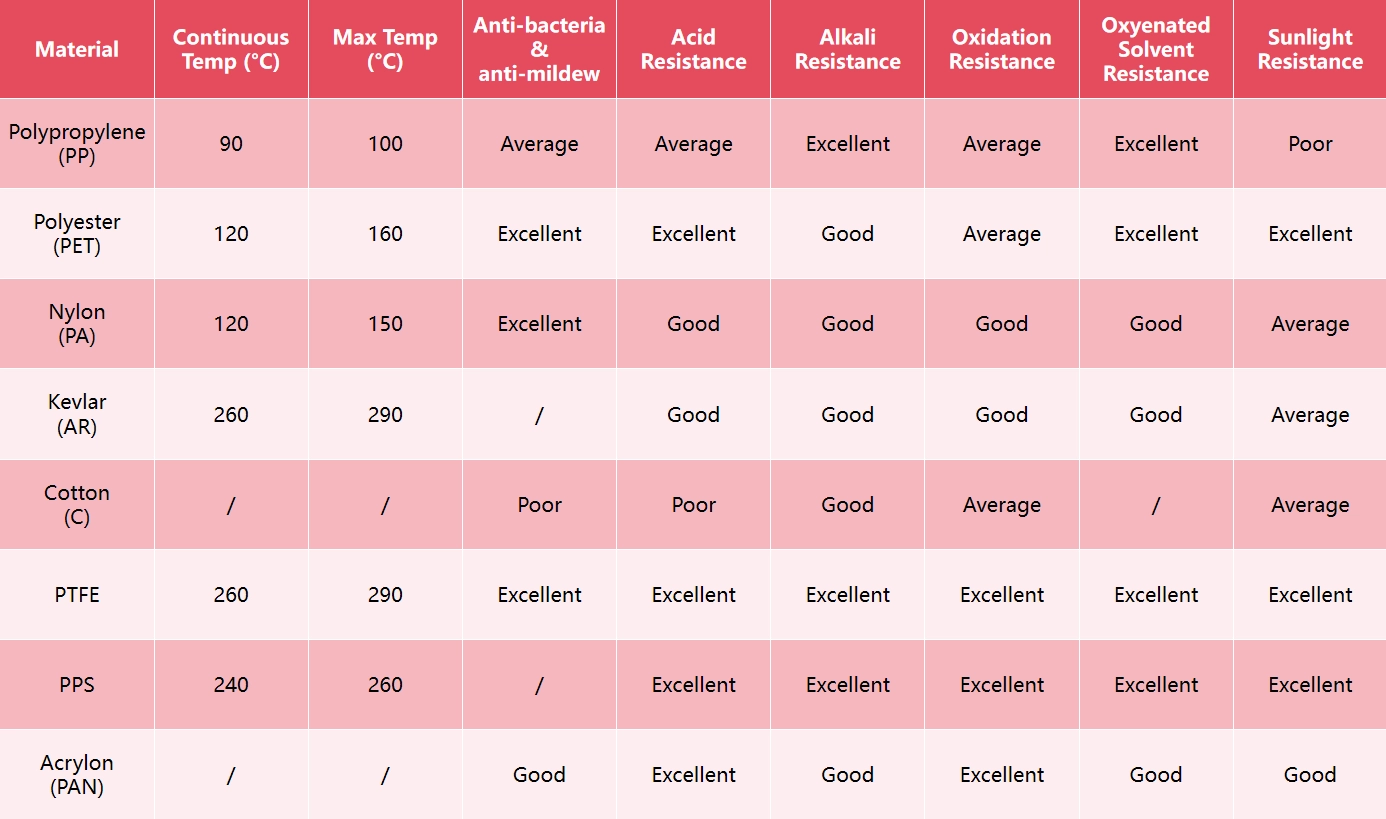
Pilih PTFE atau PPS ketika ada asam dan oksidan. Untuk aliran alkali yang lebih ringan, PP memberikan nilai yang sangat baik dan umur panjang.
-
Tanda-tanda awal serangan kimia
Perhatikan petunjuk halus sebelum kegagalan penuh menyerang. Kain mungkin terasa lebih tipis di tepi, menunjukkan sedikit perubahan warna, atau melepaskan halus ke dalam filtrat. Kekuatan air mata jatuh terlebih dahulu - sering 20-30 persen sebelum lubang yang terlihat muncul. Tes laboratorium rutin pada sampel kecil menangkap perubahan ini lebih awal dan memungkinkan Anda beralih ke kain filter tahan kimia yang tepat pada waktunya.
Pembunuh 2: Kerusakan pelarut dan oksidan
Pelarut dan oksidan yang kuat memakan serat berbeda dari pH saja. Mereka memecahkan rantai karbon atau menciptakan retakan mikro yang tumbuh di bawah tekanan. Banyak tanaman mengabaikan hal ini sampai kejelasan filter jatuh dan efisiensi filter press jatuh.
-
Bila ketahanan kimia penting
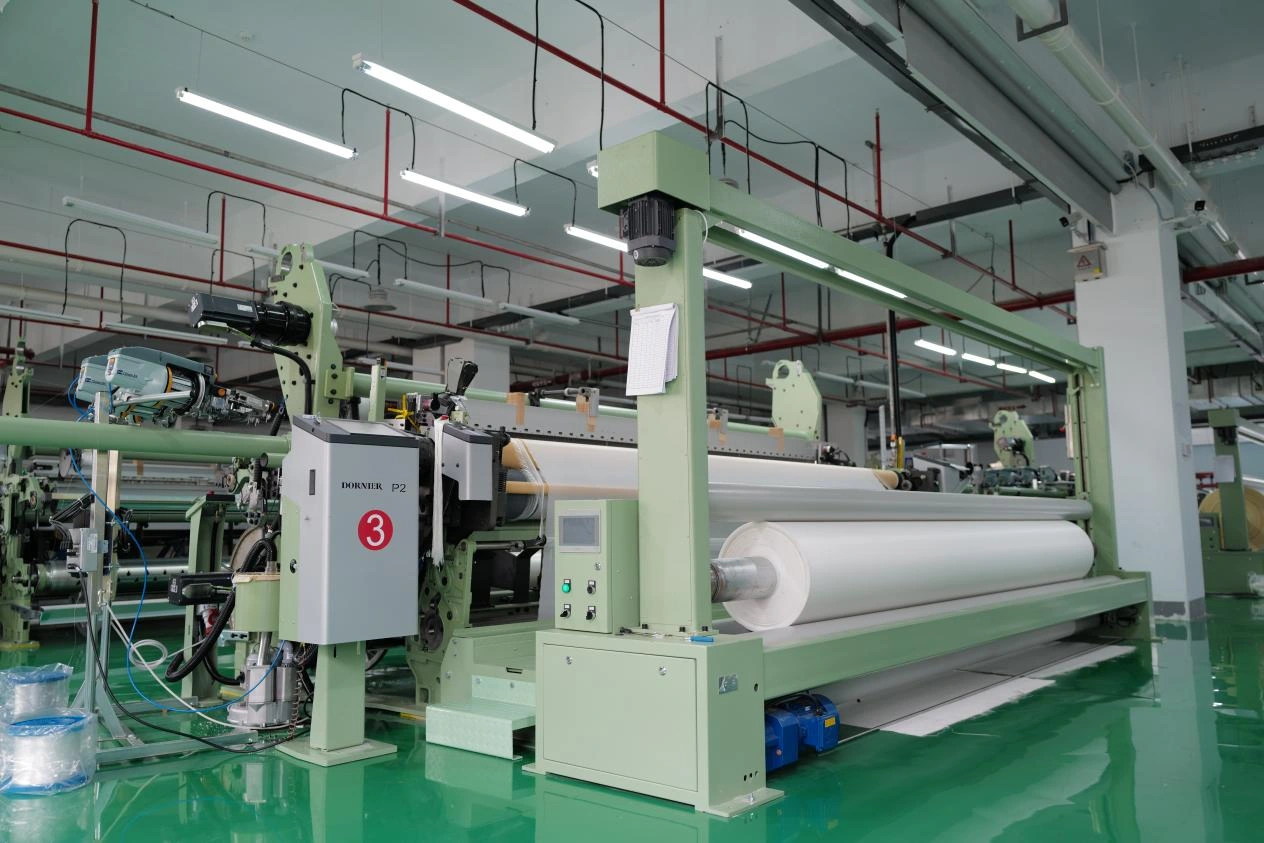
Tidak semua serat tertawa pada pelarut. Poliester standar melembut dalam hidrokarbon aromatik; Nylon membengkak dalam keton. Hanya PTFE dan PPS yang menjaga kekuatan penuh di berbagai pelarut. Produsen kain filter yang menyimpan opsi kinerja tinggi ini dapat menyelamatkan Anda dari kegagalan berulang kali di pabrik kimia agresif.
-
Panas Mempercepat Kerusakan
Suhu melipatgandakan serangan. Pada 80 ° C, oksidasi yang membutuhkan waktu berbulan-bulan pada suhu kamar dapat menyelesaikan pekerjaan dalam beberapa minggu. PPS menangani tugas terus menerus 240 ° C dan menahan oksidan jauh lebih baik daripada PET atau PP. Pasangkan bahan yang tepat dengan suhu operasi aktual Anda dan menonton umur layanan ganda.
Pembunuh 3: Padat tinggi dan partikel tajam
Partikel abrasif bertindak seperti kertas lapis kecil di dalam setiap siklus. Mereka menggiling permukaan, memperbesar pori-pori, dan menipisakan kain sampai air mata.
-
Padat dan Abrasi Tinggi
Lumpur di atas 30 persen padat menghukum kain dengan cepat. Kuarsa atau logam halus dalam tailings pertambangan memotong benang monofilamen dalam setengah waktu yang diharapkan. Kain multifilamen menjebak partikel lebih dalam, menciptakan lebih banyak keausan internal.
-
Zona Pakaian Umum
Monitor zona pakaian tinggi: tepi (yang menggosok terhadap bingkai pelat) dan tengah (aliran tertinggi). Jika Anda melihat bintik-bintik tipis atau berkilau, beralih ke tenunan yang lebih ketat atau benang yang lebih berat untuk memperpanjang umur.
Pembunuh 4: Ketegangan dan Kesalahan Instalasi
Bahkan kain filter terbaik gagal dengan cepat jika diregangkan terlalu ketat atau dipasang dengan buruk. Ketegangan yang tidak merata menciptakan titik tekanan yang menekan di bawah tekanan, sementara pelat yang tidak selaras mencucit dan merobek kain.
-
Bagaimana Ketegangan Membuat Konsentrasi Stres
Ketegangan berlebihan hanya 10% meningkatkan stres lokal hingga 40%, menurut data tenun khas. Kain meregangkan tidak merata, membentuk bintik lemah yang merobek setelah hanya beberapa lusin siklus. Ketegangan yang tepat menjaga tenunan seragam dan memperpanjang umur secara signifikan.
-
Pelat Alignment dan Fit
Piring yang duduk sedikit di luar tengah menekan tepi kain dan menciptakan keriput. Keriput-keriput itu menjebak kue dan mempercepat kebutaan. Pemeriksaan penyelarasan laser sederhana selama instalasi menangkap masalah ini sebelum memperpendek umur kain.
-
Kesalahan Instalasi Umum
Skipping edge sealing, menggunakan grommets yang tidak cocok, atau mengabaikan keriput mengubah kain yang baik menjadi kegagalan awal. Pemeriksaan visual pra-pergeseran cepat mencegah kesalahan penggabungan ini.
Pembunuh 5: Efek Pembutaan - Pembutaan dan Kehilangan Aliran
Pembangunan kue di dalam tenunan menghalangi aliran cairan jauh sebelum kain benar-benar merobek. Pembutaan ini membunuh efisiensi filter press lebih cepat daripada faktor tunggal lainnya, namun banyak operator memperlakukannya sebagai keausan normal.
-
Monofilamen vs. Multifilamen
Kain monofilamen melepaskan kue dengan bersih dan menahan kebutaan karena benang halusnya membuang partikel dengan mudah. Versi multifilament menawarkan filtrasi yang lebih halus tetapi perangkap denda yang lebih dalam. Memilih struktur yang tepat untuk ukuran partikel Anda menyeimbangkan kejelasan dan umur panjang.
-
Desain Pori dan Permeabilitas Udara
Kain dengan permeabilitas udara 20-40 L / m² / s biasanya memberikan keseimbangan terbaik untuk sebagian besar lumpur. Terlalu rendah dan kebutaan terjadi dengan cepat; terlalu tinggi dan denda melewati. Mencocokan desain pori-pori dengan data proses Anda yang tepat menjaga laju aliran stabil dan waktu siklus pendek.
Cara Mencegah 5 Pembunuh Ini
Dua pembunuh terakhir - kesalahan ketegangan dan efek kebutaan - sering digabungkan dengan tiga pertama untuk menyelesaikan pekerjaan. Ketegangan longgar atau tidak rata menciptakan titik stres yang merobek di bawah tekanan. Membuta menyumbat pori-pori, memaksa tekanan yang lebih tinggi dan keausan mekanis yang lebih cepat. Keduanya memotong efisiensi filter press secara dramatis. Kabar baiknya? Langkah-langkah sederhana menghentikan semua lima pembunuh sekaligus.
Data Proses untuk Seleksi
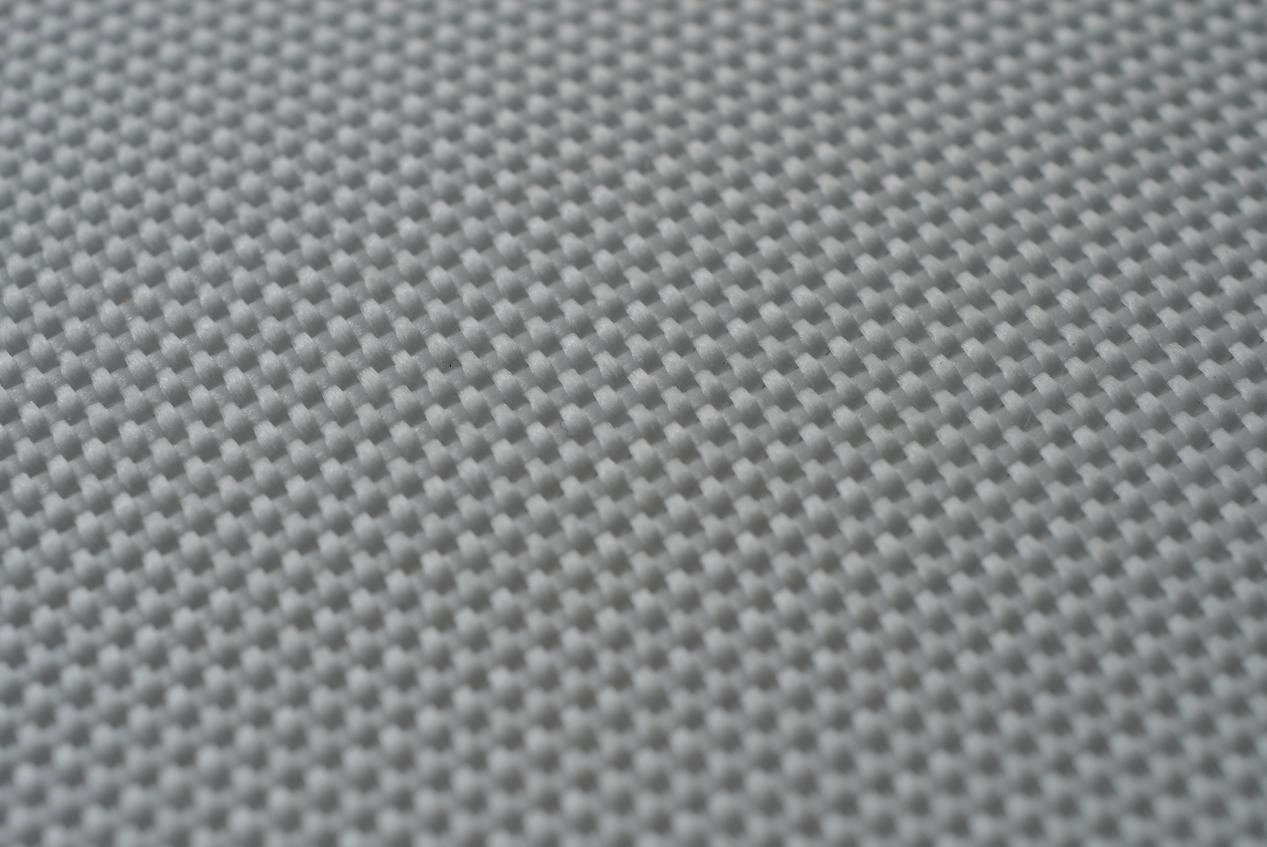
Bagikan rincian yang tepat dengan produsen kain filter Anda: kisaran pH, suhu, kandungan padat, distribusi ukuran partikel, dan waktu siklus. NHD meninjau data ini, menjalankan simulasi laboratorium jika diperlukan, dan merekomendasikan kain filter terbaik. Anda juga dapat mengirim sampel kecil untuk analisis gratis.
Kontrol Kualitas dan Keterlacakan
Produsen yang dapat diandalkan memeriksa setiap langkah. Dari tes benang mentah (kekuatan memecahkan, penyusutan) untuk selesai roll inspeksi (permeabilitas, ketebalan, halus filter), QC yang ketat sangat penting. Setiap bagian NHD membawa kode unik untuk pelacakan penuh kembali ke batch mentah.
Solusi Industri Khusus
NHD menawarkan kain filter khusus batch kecil untuk uji coba di lokasi. Jalankan sampel di pers aktual Anda, catat pelepasan kue, laju aliran, dan waktu siklus, lalu berikan umpan balik. Hanya setelah hasil terbukti mereka skala ke produksi penuh. Pabrik yang menggunakan pendekatan ini secara rutin melaporkan umur layanan 2-3 kali lebih lama dan efisiensi filter press yang lebih tinggi.
Kesimpulan
Memperluas kain saring Kehidupan berasal dari pencocokan bahan dengan kimia Anda, mengendalikan stres mekanis, dan mencegah kebutaan sebelum dimulai. Pabrik yang mengikuti langkah-langkah ini melihat lebih sedikit penggantian, aliran yang lebih stabil, dan biaya total yang lebih rendah. Bermitra dengan produsen kain filter yang berpengalaman membuat prosesnya mudah. Kunjungi situs web kami atau hubungi kami melalui Whatsapp +86 13667324277 langsung. NHD akan membantu Anda memilih kain filter yang tepat dan memastikan filter press Anda selalu berkinerja terbaik.
Pertanyaan FAQ
T: Bagaimana permeabilitas udara mempengaruhi efisiensi filter press?
A: Kecepatan permeabilitas udara yang lebih tinggi menyaring aliran dan mempersingkat waktu siklus, tetapi terlalu banyak memungkinkan denda melalui dan mengurangi kejelasan. Nilai yang tepat - cocok dengan padat Anda - menyeimbangkan kecepatan dan retensi untuk efisiensi maksimal.
T: Mengapa kompatibilitas kimia penting untuk kehidupan kain filter?
A: Kimia yang salah menyebabkan kerusakan serat yang cepat, kehilangan kekuatan, dan air mata tiba-tiba. Memilih kain filter tahan kimia yang cocok dengan pH, pelarut, dan oksidan Anda mencegah kegagalan ini dan menjaga biaya penggantian rendah.
T: Bagaimana proses manufaktur NHD mencegah kegagalan kain filter umum?
A: Pengujian bahan baku yang ketat, benang Jerman untuk ketegangan seragam, pengaturan panas untuk stabilitas dimensi, dan pelacakan penuh pada setiap gulungan menghilangkan titik-titik lemah. Sampel uji coba ditambah produksi khusus memastikan kain berfungsi dalam kondisi yang tepat Anda, menghentikan lima pembunuh tersembunyi sebelum mereka mulai.