 Indonesian
  English
  French
  Spanish
  Russian
  Arabic
  Portuguese
  German
  Turkish
  Persian
  Vietnamese
  中文
中文 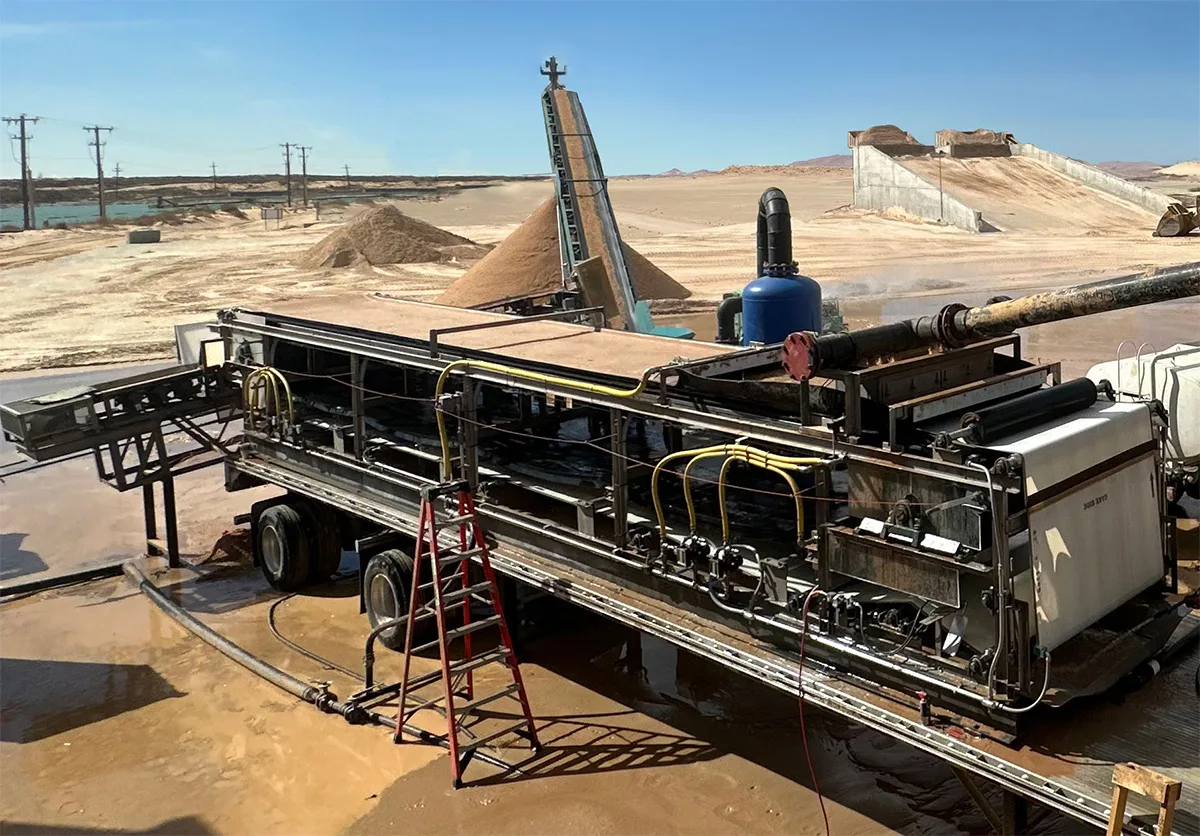
Horizontal belt filters serve an important function in current sludge treatment because they mix ongoing dewatering with reliable solid-liquid separation. They assist industrial setups in managing big amounts of sludge in a more effective way, and they also support clearer liquid output, cheaper waste removal expenses, and easier follow-up processes.
What Is the Role of Horizontal Belt Filters in Sludge Treatment?
Today’s wastewater treatment plants deal with growing needs for better efficiency, eco-friendliness, and automatic controls.
Overview of Sludge Dewatering Technologies
Sludge dewatering matters a lot because it cuts down water levels before you throw it away or process it more. Usual ways include centrifuges, filter pers, and belt filters. Each one brings its own benefits based on the kind of sludge you have and what you aim to achieve in your operations.
The belt filter press uses a nonstop moving filter belt for the separation job. As it runs, the mix of solids and liquids goes through the belt system, and the solid bits build up on the filter belt to make filter cakes. In this setup, the liquid gets pulled out, which leads to nonstop splitting of solids from liquids. Such nonstop work makes belt filters a great fit for plants that need reliable output without many stops.
The horizontal belt filter shines because of its flexibility and power to keep going without breaks, even when the incoming material changes. It makes sure the filter cake stays dry in a steady way and the liquid output stays clear, which are two key things in today’s sludge care routines.
How a Horizontal Belt Filter Works
A horizontal belt filter runs with help from vacuum pull on a belt that moves along. A long piece of filter fabric moves like a tank track right in the middle of the machine, and it handles the full automatic cycle from adding the mix, separating, cleaning, removing waste, and washing the fabric again. The liquid goes through the fabric, but the solids stay behind as a layer of cake on the surface.
This whole thing keeps going without pause: while one part of the belt gets washed and the cake comes off, another part starts fresh separation right away. The setup to fix any belt drift brings it back to the separation spot so it can start over.
Why Should You Choose a Horizontal Belt Filter in 2026?
As businesses move toward more intelligent and earth-friendly ways of working, horizontal belt filters provide a good mix of strong output and care for the environment. Now, let’s look at their chief benefits.
Enhanced Efficiency and Continuous Operation
Nonstop separation allows for bigger amounts of work with less need for people to step in. The filter vakum sabuk karet horizontal acts as a separation tool that uses a round-moving ring of filter fabric as the main part for filtering, and it draws on low pressure plus the pull of gravity from vacuum tools to split solids from liquids in a fast and steady manner.
Automatic control setups watch things like vacuum strength and belt pace in the moment, so you can tweak them just right to get the best results from your work.
Improved Filtration Quality and Cake Dryness
You can change the vacuum pull to keep the cake dry at a steady level, even if the sludge traits shift around. Strong cleaning results come from a setup with several steps of washing that goes against the flow. These multiple washing areas boost the clearness of the liquid, so the saved water can get used again or let out safely to meet rules about the environment.
Energy Savings and Operational Cost Benefits
When you compare them to old-style centrifuges or plate-and-frame presses, horizontal belt filters use less power thanks to how they rely on vacuum action. They prove simple to run, have few parts that move, and keep upkeep costs down. Their build in sections makes checking and swapping parts easier, which means you do not need to fix things as often.
Vacuum systems that save energy also cut down on running costs, and that counts a lot in plants that work day and night where saving on power adds up fast.
What Technical Features Distinguish Modern Horizontal Belt Filters?
New ideas in tech have changed how these filters do their job in tough spots like mines or plants that handle chemicals.
Innovative Design for Reliability and Performance
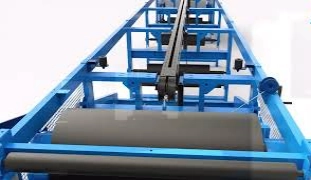
A strong frame build holds up well for long use in factories without bending under weight. The frame, made in sections for heavy work, comes apart easily for moving and putting back together. You get a clear view of how the machine runs so you know its status right away. Built-in PLC systems let you watch key measures in real time, which means workers can act fast if the process shifts.
Customization Options for Various Sludge Types
Municipal Sludge Treatment Applications
City plants often face sludge with lots of water that needs steady running with little watching. The horizontal belt filter deals with this well by making solid cakes that work for later drying or safely getting rid of them.
Industrial Sludge Applications (Chemical, Mining, Food Processing)
Waste from factories can hold harsh chemicals or tiny bits that test regular filters. The gear adapts well, so you can manage things like how thick the cake gets, the wash water used, the vacuum level, and the full run cycle. You can add zones for washing in several parts, which helps clear out leftover chemicals or salts from factory mixes, and it keeps the build strong with materials that fight rust.
What Factors Should You Consider When Selecting a Horizontal Belt Filter in 2026?
Picking the right one means weighing what your tech needs are against your money limits and also thinking about growth later on.
Evaluating Capacity Requirements and Sludge Characteristics
You need to pick a filter size that fits the amount of sludge you expect each day and how many solids it holds. The spread of particle sizes also plays a part in choosing the right fabric for the belt, so it separates well without getting blocked.
Assessing Maintenance Accessibility and After-Sales Support
Go for setups that let you clean fast at key spots so workers can swap belts quickly if they wear out. Full help after you buy, like parts to keep on hand, makes sure your spend keeps paying off through its whole life.
For instance, the NHD horizontal belt filter offers worldwide tech help plans that cover tips on setup and training for upkeep, which ensures smooth running even in far-off spots.
What Future Trends Are Shaping Sludge Dewatering Technology?
Steps forward in goals for the environment and controls based on data are changing how you handle sludge treatment right now.
Sustainability-Oriented Design Developments
Companies that make these now aim to get back as much water as possible to match ideas of using things in a loop. Parts built from stuff you can recycle cut harm to the earth, and they still hold the strength needed for hard jobs.
Digitalization and Data-Based Optimization in Dewatering Operations
The coming wave of systems for taking water out will tie in sensors from the internet of things that follow how things work over many spots at once. Tools that look at data break down what they gather, so workers can adjust settings like how strong the vacuum is or how long the wash lasts, all on their own with smart software like the kind built into NHD’s Smart Filtration Platform.
Key Takeaway: In 2026, picking up an NHD horizontal belt filter gives businesses a solid mix of good work output, power savings, automatic features, and care for the planet, which makes it a top choice for current sludge treatment plants that want dependable results over a long time.
FAQ (Pertanyaan umum)
Q1: How does a horizontal belt filter differ from other dewatering technologies?
A: Unlike centrifuges or plate presses that work in batches, horizontal belt filters keep going with vacuum pull under a band of fabric that moves, which gives steady amounts of work with little stop time.
Q2: What maintenance practices extend equipment lifespan?
A: Cleaning the paths for liquid often, swapping out belts that wear down on time, checking oil on the rollers, and watching the seals on vacuum boxes all aid in keeping strong work for years.
Q3: Can horizontal belt filters handle highly corrosive industrial slurries?
A: Yes. By picking materials that resist rust, such as stainless steel type 316L or duplex mixes, along with areas for washing that you can adjust, these setups handle waste from chemical plants well without losing strength.