
 Turkish
  English
  French
  Spanish
  Russian
  Arabic
  Portuguese
  Indonesian
  German
  Persian
  Vietnamese
  中文
中文 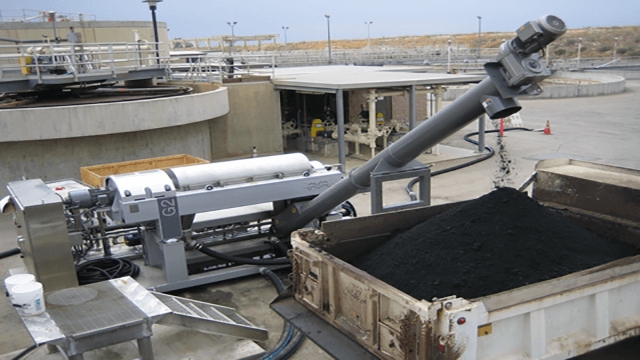
Bulamaç sulandırma mevcut madencilikte önemli bir rol oynar. Yararlı katı maddeleri sudan ayırır ve bulamaçı daha basit bir filtre kekine dönüştürür. Bu adım mineral kurtarma yardımcı olur. Ayrıca kuyrukların işlenmesine ve suyun yeniden kullanımına da yardımcı olur. Ayrıca, taşıma veya atma ihtiyaçlarını azaltır. Filtre teknolojilerinin neden önemli olduğunu anlamak için, önce çamur sulamazlaştırmasının günlük madencilik üretimini nasıl artırdığına bakmalıyız.
Modern Madencilik Operasyonlarında Bulamaç Sürütmesinin Rolünü Anlamak
Mevcut madencilik alanında, bulamaç sulandırma, mineral ekstraksiyonunu atık kontrolüne bağlayan merkezi bir süreç olarak hareket eder. Bu aşamanın başarısı doğrudan üretim sonuçlarını ve çevresel kuralları etkiler.
Bulamaç Dewatering ve onun Endüstriyel önemi tanımlamak
Bulamaç, suda karıştırılmış küçük zemin mineral parçalarından oluşur. Bu karışım maden işleme sırasında oluşur. Madencilikte filtreleme, mineral işlemenin önemli bir parçasıdır. Burada, amaç katı maddeleri sıvılardan ayırmaktır. Bulamacını daha kuru bir ürüne dönüştürür. Bu bölünme yararlı katı maddeleri geri kazanır. Aynı zamanda, suyun bitkiye geri dönmesine izin verir. Yani, suvsuzluk, kuyruklar bakımına fayda sağlar. Sonraki görevlerin iyi yürütülmesini sağlar.
Bulamaç sulanmasının değeri daha iyi üretimin ötesine gider. Depolama için sıvı atık miktarını azaltır. Ayrıca kuyruk gölüzlerinden gelen ekolojik zararı azaltır. Filtreleme, maden odağından kuyruk kontrolüne kadar mineral çalışmalarının birçok parçasına yardımcı olur. Kısacası, iyi suvsuzluk iş sürdürülebilirliğini ve kuralları takip etmeyi artırır.
Sulamazma ve Filtrasyon Verimliliği Arasındaki Bağlantı
Su kesintisi sonuçları, suyun filtre kekinden ne kadar iyi çıktığını belirleyerek filtrasyon başarısını şekillendirir. Daha az kalan su sadece malzeme kullanımını kolaylaştırmaz, aynı zamanda kurutma gücünü de azaltır. Basın filtreleri kalın çamurları yönetmek ve istikrarlı bir çıkış vermek için öne çıkar. Doğru ayarlandığında, akışı daha kısa sürelerle artırırlar.
Ayrıca, daha iyi filtrasyon başarı gerçek maliyet kazançları getirir. Modern sulamazlama ayarları olan siteler daha az dişli aşınması, daha düşük pompa gerginliği ve daha az tamir süresi görür. Sulamazma ve filtrasyon arasındaki bu bağlantı, bitki çıkımını güçlü tutar. Aynı zamanda, işletme maliyetlerini kontrol altında tutuyor.
Teknolojik Gelişimler Bulamaç Sulamazma Verimliliğini Sürüyor
Mevcut madencilik dünyası, filtreleme hızı, su kontrolü ve istikrarda eski sınırları yenmek için yeni fikirler aldı.
Yeni Gelen Ekipman Tasarımları ve Mekanizmaları
Son zamanlarda vakum, basınç ve spin filtreleme ayarlarında büyük bir büyüme oldu. Örneğin, eğimli pan filtresi istikrarlı çalışma için bir vakum aletidir. Fosforik asit, demir olmayan erime, eko bakım, maden temizleme, ilaçlar ve kaba veya düzensiz karışımlarda bulamaç parçaları gibi alanlara uygundur. Çok kekli yıkama becerisi ve düşük güç kullanımı, büyük mineral işleri için mükemmel hale getirir.
Aynı şekilde, disk filtreleri Daha az alanla daha fazla oda sunmak için büyüdüler. Büyük bir disk boyutu, daha büyük bir dokunmatik alanı ve geçmişteki bilgiden daha iyi boru ve valf planları var. Bu da sıvı akışını hızlandırır. Makine yükseltmelerinin ötesinde, polimer membranlar gibi şeyler artık zor ortamlarda güçlü kimyasal direnç ve kalıcı güç verir.
En iyi yeni araçlar arasında Jortan'ın Dikey Otomatik Basınç Filtresi. Güçlü sıkıştırma teknolojisi ile otomatik çalışmayı karıştırır. Durdurmadan çalışır ve büyük çıkışları ele alır. Eski kurutma adımlarını atlayabilen düşük bir filtre kek su seviyesine sahiptir. Yüksek bir otomatik seviye insan-makine ekran kontrolünden gelir. Sıkı bir yapıya, küçük bir zemin alanına ve düşük bir site maliyetine sahiptir. Böyle planlar, makinenin çıkışının yeşil hedeflerle nasıl eşleştiğini gösterir.
Dijitallaşmanın ve Süreç Otomasyonunun Rolü
Dijital değişiklik, çamur sulanma kontrol planlarını değiştirdi. Akıllı araçlar, en iyi filtreleme turlarını tutmak için besleme kalınlığı ve basınç boşlukları gibi şeyleri izler.
Veri tabanlı görünümler de zamandan önce düzeltmelere yardımcı olur. Aralıklar olmadan önce aşınma veya blokları görürler. Bu birçok birimde durma zamanını kısaltır. Otomasyon madencilik çalışmalarında derinleştikçe, siteler sadece doğruluk değil, aynı zamanda çıkış ölçümlerinde kalıcı bir istikrar kazanır.
Etkili sulamazlanmanın Ekonomik ve Çevresel Faydalarının Değerlendirilmesi
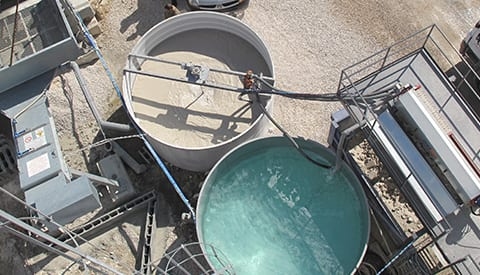
İyi bulamaç sulandırma, madencilik çalışmalarında aynı anda maliyet kesintilerine ve yeşil görevlere yardımcı olur.
Optimize edilmiş Filtrasyon ile Enerji Tüketimini Azaltmak
Büyük bir para faktörü su kesimlerinden kaynaklanan enerji tasarrufu. Daha az su, odakları veya kuyrukları kurutmak için daha küçük ısı ihtiyaçları anlamına gelir. Maliyet kazançları da önemlidir. Ayarlanmış filtreleme adımları güç kullanımını azaltır ve ihtiyaçları düzeltir. Ayrıca, ayarlanmamış akış olan iyi pompalar akış seviyelerini korurken daha az güç kullanırlar.
Bu kazançlar zamanla oluşur. Düşük güç çağrısı dünyayı ısıtan gaz çıkışını düşürür. Ayrıca kâr kenarlarını da kaldırır. Bu çift kazanç, on yılın ortalarına kadar karbonu azaltma planlarına uygundur.
Atıkların ve su geri kazanımının sorumlu bir şekilde yönetilmesi
Yeşil bakım iyi kuyrukların kullanılmasını gerektirir. Daha iyi sulanma daha kalın kuyruklar yapar. Daha az mağaza alanı alırlar ve daha az sızıntı veya baraj arızaları riski var. Bir anda tasarruf edilen süreç suyu değirmen yollarına geri dönebilir. İyi filtreleme, atıkları küçülterek ve su yeniden kullanımını ayarlayarak ekolojik zararı azaltır. Bu döngü istikrarlı kaynak kullanımını geri döndürür. Ayrıca dünya çapında itilen sıkı yeşil kurallara uyuyor.
Bulamaç Dewatering Sistemlerinin Başarısını Etkileyen Faktörler
Herhangi bir bulamaç sulandırma kurulumunun kazanması hem malzeme özelliklerine hem de çalışma kurallarına dayanır.
Bit boyutu gibi maden özellikleri filtrasyon hızlarını büyük ölçüde şekillendirir. Bitler ne kadar küçük olursa, filtre maddelerinin boşaltılması o kadar yavaş olur. Mineral makyaj da şeyleri sallar’ s seçim: bazı sülfür madenleri ince filtrelerde polimer tüpler gibi kimyasal mücadele membranlarına ihtiyaç duyar. Bunun nedeni borular bir polimer membranın yüksek filtrasyon doğruluğuna sahip olmasıdır. 5 mikron altındaki bitlerle bulamaç uygundur.
Basınç boşlukları, ısı kontrolü ve besleme istikrarı gibi çalışma ayarları, üst çıkış için dikkatli ayarlara ihtiyaç duyar. Sabit düzeltmeler kumaş yenilenmesinin iyi çalışmasını sağlar. İnce filtrelerdekiler gibi otomatik geri yıkama ayarları el çalışmadan uzun çalışmalara yardımcı olur.
Personel eğitimi de aynı derecede önemlidir. İyi eğitimli çalışanlar, eşitsiz kek birikimi veya basınç değişimleri gibi garip işaretleri hızlı olarak tespit edebilirler. Bunlar çıkış kayıplarına dönüşmeden önce hareket eder.
Gelecek Görünümü: 2026 Madencilik Verimliliği Hedefleri için Bir Katalizör Olarak Bulamaç Sulamazma
Dünya madenciliği yeşil yolları ve dijital karışımı vurgulayan 2026 çıkış hedeflerine doğru giderken, çamur sulandırma, işin üzerinde değişimi itmek için temel bir teknoloji olarak hareket edecek.
Makinenin sıkılmasını ısı veya membran kuru ile birleştiren karışık ayarlar gelecekteki ayarlara yol açacaktır. Bend-over türleri sunuyorlar. Parça tabanlı planlar, temel çerçeveleri yeniden yapmadan test sitelerinden tam tesislere büyümeyi sağlar.
İnsan yapımı zekalar süreç kontrolünü daha fazla ayarlayacak. Geçmiş verilerden en iyi yuvarlak uzunlukları otomatik olarak tahmin etmek için öğrenir. Bu, akış hızı ve kuru seviyeler arasında yakın bir eşleşime ulaşır.
Planlarda, bu yeni yollar on yılın ortalarına kadar tedarik hatlarında sıfır gaz üretimi için dünya yeşil hedeflerine sıkı uyuyor. En iyi araçları kullanarak NHDTeknoloji notuna göre fosfogipsum kekleri için hava kurutma adımları yoluyla çok düşük su seviyelerine ulaşan Yatay Filtre Presi'nin (hava kurutma süreci filtre keklerinin nem içeriğini son derece düşük hale getirir), madencilik şirketleri iyi kaynak kullanımında kendilerini önde tutmaktadır. Saha ekiplerinde paylaşılan belirli çıkış önlemleri yoluyla yeşil vaatleri yerine getirirler.
Sık Sorulan Sorular
S1: Vakum veya basınç tabanlı ekipmanların belirli bir madencilik operasyonuna uygun olup olmadığını ne belirler?
A1: Seçim çamur konsantrasyonuna ve istenen kuruluk seviyesine bağlıdır; Eğimli pan filtreleri gibi vakum sistemleri seyreltilmiş çamurları verimli bir şekilde işlerken, dikey filtre presleri gibi basınç üniteleri, minimum kurutma enerjisi gerektiren konsantreler için uygun daha düşük nem içeriğini elde eder.
S2: Dijital izleme, çamur sulanmasında uzun vadeli güvenilirliği nasıl geliştirir?
A2: Gerçek zamanlı sensörler besleme yoğunluğu ve filtre açıklığı dahil olmak üzere değişkenleri izler; entegre analitik sapmaları erken tespit eder, böylece bakım proaktif olarak planlanabilir - Jortan'ın akıllı filtreleme konseptine benzer teknolojiler, birden fazla birimde çalışma süresi tutarlılığını artırır.
S3: Büyük ölçekli mineral uygulamaları için tasarlanmış gelişmiş otomatik filtreleri nerede bulabilirim?
A3: NHD gibi şirketler, kompakt tasarımı akıllı kontrollerle birleştiren dikey tam otomatik filtre presleri de dahil olmak üzere en son teknoloji çözümleri sunmaktadır. resmi sitesi modern madencilik filtreleme ihtiyaçlarına uygun ayrıntılı özellikler için.