
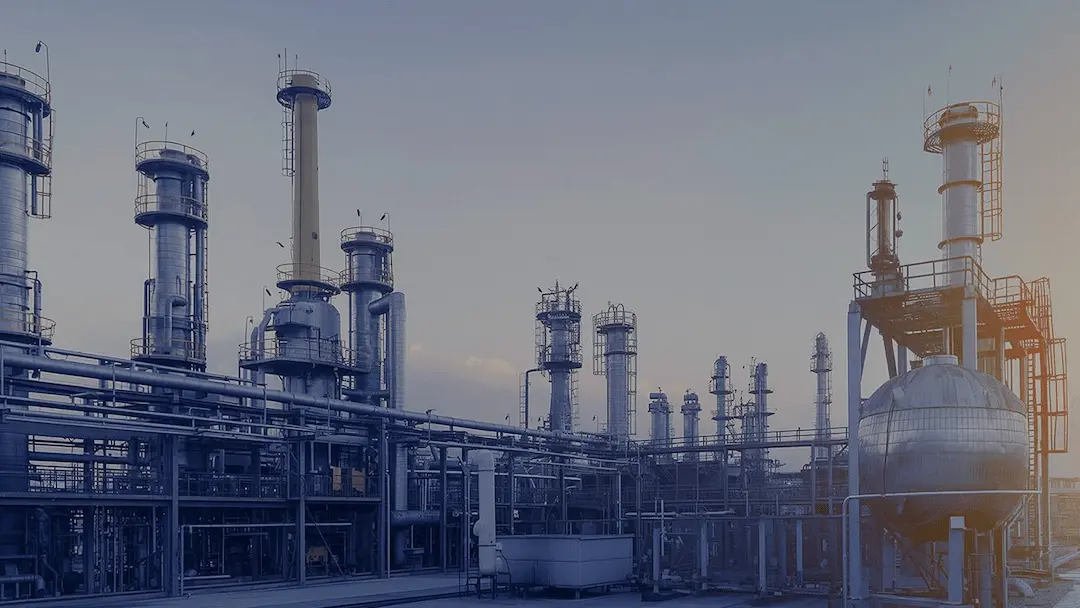
India’s plan for critical mineral processing parks includes four regional locations, a $500 crore allocation, and a goal to strengthen domestic refining and processing capacity, as outlined in the critical mineral processing policy. The government has identified Andhra Pradesh, Gujarat, Maharashtra, and Odisha for these parks, with three states reported to have submitted Detailed Project Reports.
For project teams, the important shift is from mineral access to processing and critical mineral recovery capability. These parks can attract exploration, refining, battery-material, magnet, metal, and recycling projects into the same industrial ecosystem. The equipment decision then has to follow the chemistry, impurity profile, and product specification of each project rather than a generic park label.
From Resource Access to Processing Capacity
Processing parks concentrate that missing capability. They create shared infrastructure, permitting pathways, utilities, waste management, and logistics, but they do not remove the need for project-specific process design.
A processing park is not a mining camp
The operating environment inside a mineral processing park is closer to a chemical plant than a mine gate. Feed preparation, leaching, purification, crystallization, drying, water treatment, and residue handling have to meet chemical, environmental, and material standards. critical mineral value chain programme describes processing, recycling, technology development, and skilled workforce growth as connected parts of the value chain.
That connection is important for India critical mineral parks plan. Different parks, lithium clusters, nickel projects, and magnet-material clusters do not need the same process route or the same corrosion strategy. Grouping them into one national programme does not make their equipment duties interchangeable.
Four parks create different process duties
Rare earth processing may involve acid or alkaline leaching, impurity removal, solvent extraction, precipitation, and multiple stages of washing. Lithium projects can include roasting, leaching, purification, concentration, and crystallization. Nickel processing may require pressure or atmospheric leaching, neutralization, solid-liquid separation, and residue management. A rare earth processing facility can also face scaling, phase changes, and reagent carryover that affect the next separation step.
The common thread is that each route converts a variable feed into a controlled intermediate. The plant design therefore begins with chemistry and material balance. Throughput and equipment size come afterward.
Where Equipment Risk Moves In
Projects in this sector often look simple at the flowsheet level and become difficult at the equipment interface. Leach reactors, agitators, clarifiers, filters, solvent-extraction mixers, crystallizers, dryers, and wastewater systems have to agree on solids content, temperature, pressure, corrosion allowance, and maintenance access. Critical mineral recovery therefore depends on how each process step handles solids, impurities, temperature, and corrosion.
Leaching and agitation
This chemistry often combines aggressive conditions with high solids loading or long residence time. The agitator has to maintain suspension and mass transfer without creating unnecessary shear or wear. Nonferrous agitator engineering shows why impeller selection, tank geometry, slurry properties, and operating mode must be reviewed as one duty.
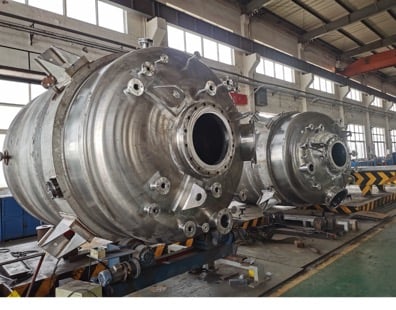
A pressure vessel for chemical processing may be required when the route uses elevated pressure, temperature, or a sealed reaction environment. The material of construction must match the actual liquor, not only a generic acid or alkali category. Corrosion allowance, linings, nozzles, agitator mounting, heat transfer, inspection access, and pressure-relief design all affect whether the vessel can serve the process over its planned life.
Solvent extraction, crystallization, and drying
After leaching, rare earth and battery-metal projects depend on separation and purification. Lithium processing can involve concentration, impurity removal, and crystallization; a nickel processing plant often requires neutralization, thickening, filtration, and residue handling. Each step changes the feed condition for the next and can create new scaling, corrosion, or particle-size problems. A rare earth processing facility should therefore define the full operating range before reactor, agitator, or filtration duties are frozen.
Equipment procurement should therefore follow a material-balance model. If the project freezes reactor size before impurity removal is understood, downstream filters and crystallizers may inherit a duty they were never designed to handle. If the separation target is unclear, a nominal equipment capacity can look adequate while product quality remains unstable.
Corrosion and containment define service life
These routes can combine acids, chlorides, oxidants, high temperature, abrasive solids, and corrosive intermediates. Material selection has to be based on concentration, temperature, aeration, and contamination.
The practical requirement is not to specify the most expensive alloy everywhere. It is to match each component to the duty and keep inspection, replacement, and isolation feasible. This approach protects uptime and avoids turning a chemistry problem into a maintenance programme.
What NHD’s Hydrometallurgy References Can Contribute
NHD’s relevant evidence comes from hydrometallurgy projects, agitator engineering, thickener systems, and pressure equipment. These references help define the engineering questions a project team should ask, but the final design still has to come from the project’s own feed and product targets.
Rare earth project shows modular scope and standards
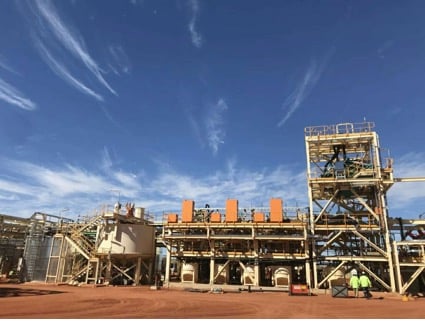
The Northern Minerals rare earth project included agitators, CCD thickeners, and a flocculant preparation system in a modular pilot plant. The documented work also involved Australian standards, international engineering coordination, and a short delivery period.
It also shows why a processing park should not treat all projects as variations of one template. Modularity can reduce site work, but each module still needs a clear process duty, transport limit, utility connection, and commissioning sequence.
Agitators and pressure vessels address different duties
NHD’s pressure vessel product line covers reactors, storage tanks, heat exchangers, towers, and related vessels used in nonferrous smelting, new materials, fine chemicals, and environmental applications. The agitator and vessel have to be designed together when mixing, heat transfer, gas dispersion, or solids suspension occurs inside a pressure boundary.
That interface is easy to miss during early procurement because agitators and vessels are often bought as separate packages. Nozzle loads, shaft support, internals, corrosion allowance, inspection openings, and maintenance access should be resolved before the two packages are frozen.
What to Fix Before FEED and Procurement
Before FEED or major procurement, the project team should define the feed range, target product, impurity limits, reagent strategy, water balance, residue destination, utility conditions, and material-selection basis. It should also identify which test results are representative, which assumptions remain open, and how changes will be managed across packages.
That package is more useful than a list of equipment names. It lets a rare earth, lithium, or nickel project compare suppliers on process fit, scale-up evidence, corrosion strategy, control philosophy, and interface responsibility. It also gives the processing park a realistic basis for shared utilities and environmental systems. Lithium processing also needs a clear impurity and crystallization target before reactor volume or dryer duty is fixed. A nickel processing plant can share park infrastructure, but its neutralization, filtration, and residue duties still need a project-specific basis.
Conclusion
The parks become useful only when each project can convert its own feed chemistry into a stable intermediate. Rare earth processing facilities, lithium processing, and nickel processing plants therefore need one disciplined review of corrosion, agitation, purification, and residue handling before packages are frozen. That review should connect testwork, product target, utilities, and interface ownership. The NHD engineering team can compare those duties; project data can be sent to sales@chinanhd.com or discussed through +86 136 6732 4277.
FAQs
Q1: What makes critical mineral processing parks different from mining projects?
A1: They focus on refining, purification, separation, and downstream material production. The design basis is closer to a chemical plant because corrosion, utilities, waste treatment, and product quality directly control project performance.
Q2: Why does rare earth processing need different equipment from nickel processing?
A2: The feed chemistry, separation steps, impurities, reagents, and product specifications differ. Equipment size and materials must follow those duties rather than a shared park classification.
Q3: When should pressure vessel and agitator requirements be coordinated?
A3: They should be coordinated before package freeze. Nozzle loads, shaft support, internals, corrosion allowance, heat transfer, and maintenance access affect both the vessel and the agitator design.