

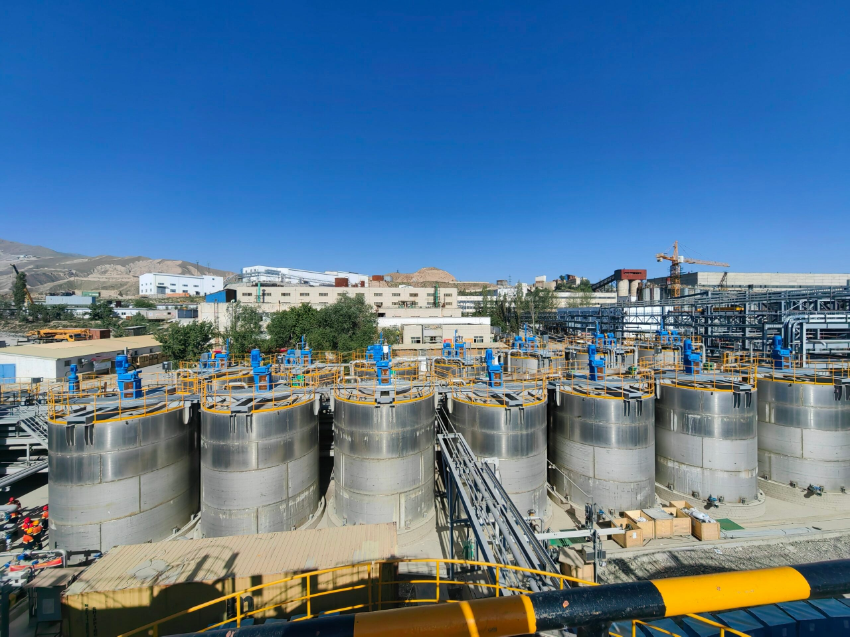
Kenya’s plan to stop exporting unprocessed gold and require local refining changes the first question a project team asks. The Kenya gold policy update would make local processing and approved export channels part of the route, not a later commercial choice. Kenya gold refining therefore becomes a project-design topic as well as a trade-policy topic. Kenya gold refinery development therefore becomes a project-design topic as well as a trade-policy topic. The gold processing plant will ultimately be judged by whether that policy can be translated into a stable operating route.
The country is also advancing a gold refinery project in Kakamega and linking mineral value addition to industrial investment, as described on the gold refinery investment plan. For a gold ore processing plant, the important question is not simply whether a refinery building can be approved. It is whether feed preparation, leaching, adsorption, recovery, tailings handling, water recovery, and export controls can work as one operating chain. The Kenya gold refinery development plan therefore needs a process basis that covers feed variability, water balance, residue handling, and product quality.
Why Local Refining Changes the Project Scope
A refinery at the end of the route does not remove the physical work required upstream. It increases the value of stable concentrate, loaded carbon, eluate, or doré quality, because a weak upstream balance sends more uncertainty into the refining step. The project scope widens from mine output to a controlled processing route that can be sampled, reconciled, and traced through approved channels.
The export rule moves the constraint downstream
When raw export is restricted, the plant has to produce a form that can be refined locally. That can shift attention to concentrate quality, impurity control, moisture, transport, and intermediate storage. A gold processing plant may also need stronger laboratory, weighing, security, and batch-traceability procedures because material now moves through domestic custody points.
The commercial case is not enough by itself. A plant team still has to show that the selected flowsheet can handle the actual orebody, reagent conditions, water quality, and variability over the mine plan.
Cyanidation, CIL, and CIP must be sized together
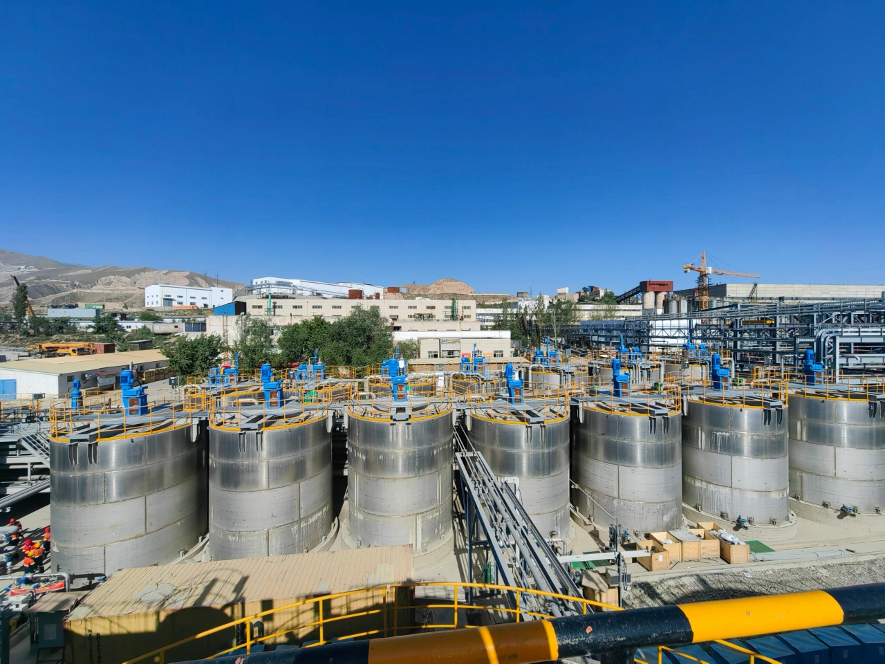
A gold CIL process and CIP route links leaching kinetics, carbon activity, pulp density, residence time, aeration, and recovery. Each step affects the next. Coarse or slow-leaching particles may need more residence time, while excessive fines can change settling, carbon screening, and solution clarity. Its sizing should be based on representative testwork rather than one average grade.
The same logic applies to gold processing plant utilities. Oxygen or air supply, reagent preparation, pH control, elution, electrowinning, and carbon regeneration all create interfaces with the main circuit. A change in one duty can alter operating cost, downtime, or the number of batches required to meet the production target.
Where Gold Projects Usually Lose Ramp-Up Performance
Ramp-up problems often appear between process units rather than inside a single equipment item. The plant may meet one design point while losing control when ore hardness, clay content, cyanide consumption, or slurry density changes. Project teams should therefore review the operating window, not only the nominal capacity. The same review applies to a gold ore processing plant when the ore blend moves away from the design sample.
Ore variability changes leach and adsorption duty
Mineralogy, liberation, sulfide content, preg-robbing carbon, particle size, and clay can change leach recovery and reagent demand. A sample that responds well in the laboratory may not represent the full mine schedule. Testwork should keep grade, mineralogy, particle size, pulp density, temperature, and reagent conditions attached to each result.
The selected agitation, aeration, carbon movement, and residence-time strategy must remain controllable when the feed changes. Otherwise the plant may produce acceptable gold in solution but fail to recover it consistently onto carbon.
Tailings and water balance determine circuit stability
Gold tailings dewatering affects more than disposal. Underflow concentration changes pump duty, reclaim-water quality, impoundment volume, and the stability of the entire water balance. Fine particles and clay can slow settling and carry more suspended solids into recycle, which then affects leaching and reagent performance.
A high efficiency thickener can reduce the volume sent to downstream handling and return clearer water to the process. The design still needs representative settling and rheology data. Torque, rake load, flocculant demand, feedwell conditions, and underflow pumping all have to match the tailings behavior, especially when the mine plan includes several ore types.
What NHD’s Gold Project Experience Can Contribute
Gold projects often combine pressure oxidation, leaching, adsorption, thickening, filtration, and residue handling. Related project evidence is useful when it exposes the interfaces that deserve attention before equipment selection is frozen.
Pressure oxidation and downstream separation reference
The Taror gold mine pressure oxidation project provides a reference for a 500 t/d gold route where oxidation and downstream solids handling have to work together. The useful lesson is not to copy an equipment list. It is to define how oxidized slurry, neutralizing duty, thickener feed, and residue properties change the next process step.
A practical gold CIL processing guidance also points to the process duties behind equipment choice. Leaching, adsorption, carbon handling, and tailings management should be reviewed as one system because each duty sets an inlet or outlet condition for another.
Thickener design for high-solids tailings
NHD’s thickener equipment includes torque monitoring, automatic rake lifting, DCS integration, and ultrasonic measurement of slurry level and solids content. Those functions support stable operation when tailings thicken, settle unevenly, or place a changing load on the rake. The selection still depends on the project’s own settling tests and water-balance targets.
For a Kenya gold refining route, this connects policy to process reality. Local refining creates a stronger reason to control concentrate and residue quality, but the equipment duty is still defined by ore, chemistry, throughput, and environmental limits.
What to Confirm Before Equipment Selection
Before procurement, the project team should fix the representative ore and feed cases, the target recovery and product form, reagent and water constraints, tailings testwork, utility availability, and the interfaces between leaching, adsorption, recovery, and residue handling. It should also define how the plant will operate during feed changes, maintenance, and temporary loss of one unit.
That work gives suppliers the same basis for comparison. Offers can then be judged by operating window, materials, control functions, maintenance access, and the evidence behind scale-up rather than by a single throughput number or equipment price.
Conclusion
Local refining makes the operating envelope visible: the ore feed, CIL process, thickener underflow, water quality, and final residue must stay controllable together. The strongest project discussion starts with representative testwork, a defined product form, and one reconciled water balance. Those inputs show which duties are fixed and which still require engineering. NHD can review that basis with the project team; send the working data to sales@chinanhd.com or arrange a technical call through +86 136 6732 4277.
FAQs
Q1: Why does local refining change gold plant design?
A1: It creates a stronger need for consistent intermediate product, controlled impurities, water balance, and traceability through approved channels. Those requirements affect leaching, adsorption, recovery, and tailings handling.
Q2: What should be tested before selecting a gold CIL CIP circuit?
A2: Representative tests should cover mineralogy, particle size, pulp density, leach kinetics, reagent demand, carbon activity, and variability across the mine plan. The operating window should include difficult feed cases, not only one average sample.
Q3: How does a high efficiency thickener support a gold project?
A3: It can increase underflow concentration, return clearer water, and reduce the load on downstream tailings handling. The design still depends on settling tests, rheology, flocculant response, and the project water balance.