

Zambia’s copper concentrate export waiver has created a short window for miners to move material while domestic smelters recover. According to a report on copper smelter processing capacity, the waiver covers 271,742 tonnes and runs to September 30, 2026 to clear stockpiles while smelter maintenance limits processing.
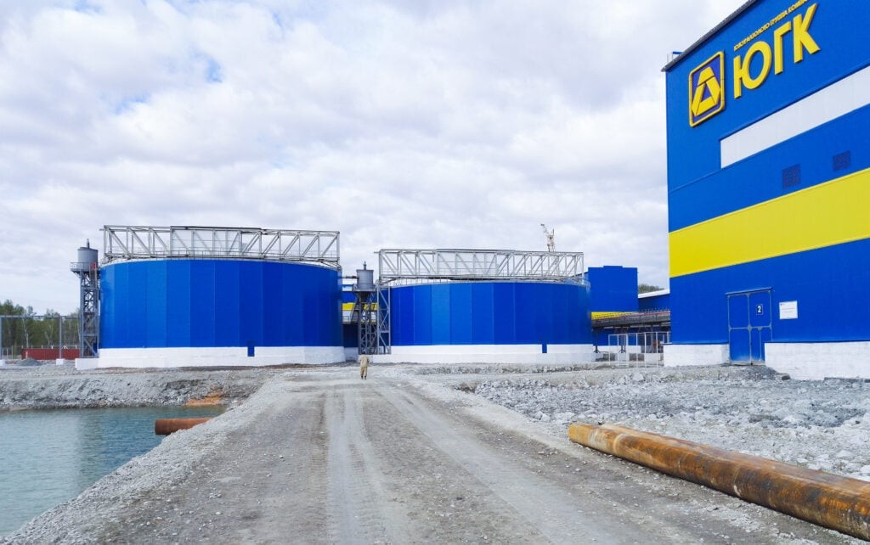
The policy solves a temporary flow problem. It does not remove the physical constraint behind it: if concentrate leaves through a port, moisture, handling and storage matter; if it enters a domestic copper smelter, feed blending, gas handling and acid-plant stability matter. NHD’s South Urals copper smelting project provides a useful reference for the second case because the documented scope combined agitators, reactors and a thickener for integrated thickening.
Why Export Relief Cannot Replace Smelter Throughput
Copper concentrate is an intermediate product, not a finished export that can be handled like dry ore. Its moisture, particle-size distribution, reagent carryover and handling behavior affect trucking, port acceptance and smelter feed. Export relief can move the commercial deadline, but it cannot compensate for a concentrator that produces an unstable cake or a tailings circuit that loses containment during higher throughput.
The export window transfers risk to logistics
A waiver gives operators time to move stock, yet it also concentrates activity into a fixed period. Port scheduling, assay turnaround, moisture limits and documentation become part of the production constraint. A plant that normally sends concentrate to an adjacent smelter may need more buffer storage or a more consistent dewatering result when the material has to travel farther.
For the export-route case, that makes flotation concentrate dewatering a commercial issue as well as a technical one. The filter or pressure system must produce a cake that can be handled repeatedly without excessive sticking, dusting, leakage or moisture variation. The operating target should come from the transport and smelter route, not from a generic moisture number.
Smelter outages expose the value of a wider processing basis
When one smelter is unavailable, mines cannot assume that another route will accept the same feed at the same rate. Sulphur, arsenic, antimony and other impurities can change blending requirements. Gas volume and acid-plant conditions also vary with feed composition. The copper smelter becomes a chemical plant with its own operating constraints, not just a furnace at the end of the mine.
A project team should therefore compare the full processing basis: concentrate quality, smelter availability, acid-gas handling, residue properties and the time needed to return to normal operation. The waiver is a useful signal because it exposes which parts of that chain are most sensitive to interruption.
The Equipment Chain Behind a Smelter or Export Route
The first equipment decisions often appear before the smelter. Concentrate preparation and tailings management determine how much material can move, how much water returns to the circuit and how much storage volume the site needs.
Concentrate dewatering controls the export or smelter interface
Flotation concentrate dewatering sits between the concentrator and the next custodian of the material. The duty depends on particle size, solids concentration, viscosity and the target cake.
A vertical filter press can produce a low-moisture cake when the feed is difficult or the downstream route demands a drier product. The selection still requires representative slurry testing. The filter chamber geometry, diaphragm pressure, air-drying stage, cloth selection and discharge method must match the concentrate rather than a brochure.
Copper tailings grow with recovery and throughput
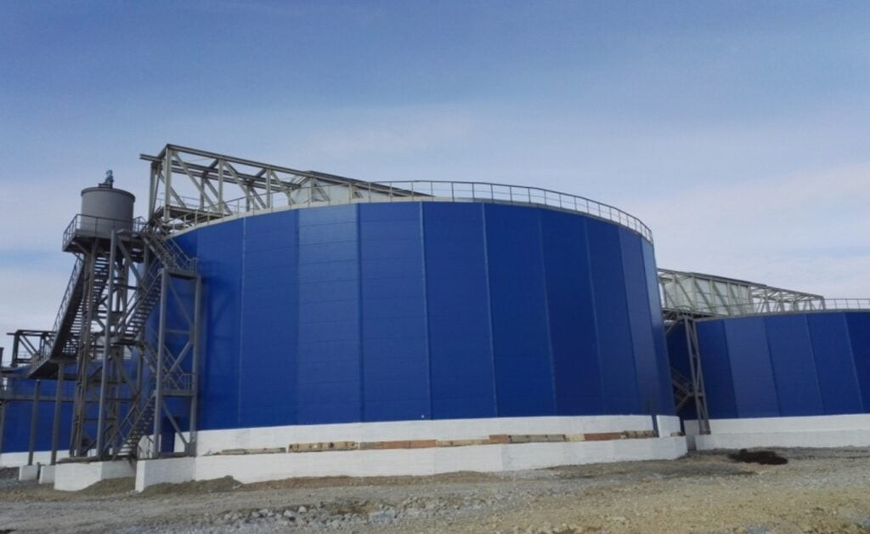
Every attempt to increase copper recovery or plant throughput creates more tailings. Copper tailings are often fine, variable and chemically active. Tailings dewatering has to thicken, transport, store and manage that material so water can be recovered and the impoundment remains stable. A practical tailings dewatering review starts with the expected particle-size range and settles on the underflow condition the pumps and impoundment can accept.
A high-efficiency thickener can increase underflow density and return clearer water to the concentrator. The result matters to the water balance, but the equipment cannot be sized only from a target underflow percentage. Settling tests, flocculant response, particle-size distribution and rheology determine whether the thickener can hold that duty.
Mist elimination protects the acid plant and the surrounding area
Copper smelting produces off-gas that must be cooled, cleaned and converted into sulfuric acid. Droplets, fine particles and acid mist can carry through the gas path, increasing corrosion, pressure loss and emissions risk. A mist eliminator is therefore part of the production system, not an accessory. The mist eliminator duty changes when gas volume, droplet loading, or washing performance moves away from the original design case.
NHD’s wire-mesh demister uses fine mist capture and drainage to protect downstream equipment and support gas-liquid separation. When the feed changes, gas velocity, droplet loading and washing behavior must be checked together. A demister that worked at one operating point may need a different configuration when smelter throughput or dust loading changes.
What the South Urals Scope Proves
A copper smelting project shows the integrated equipment scope
The reference matters because reaction, agitation and thickening were treated as one connected process scope rather than isolated purchases. It does not prove concentrate dewatering or mist-elimination performance. A project team can still use the project logic to separate the duties fixed by smelter feed from those fixed by the export route.
Thickener and mist elimination duties must be checked separately
The company’s thickener equipment includes torque monitoring, automatic rake lifting, DCS integration and slurry-level and solids-content monitoring. For tailings duty, those functions help the operating team see changes in load and control the thickener before the circuit becomes unstable.
For acid-gas service, the mist elimination equipment addresses a different duty: capturing mist and supporting gas-liquid separation. Project teams should compare concentrate dewatering, tailings thickening and mist elimination as connected interfaces. A change in one can change the moisture, solids loading or gas condition seen by another.
How to Judge an Upgrade Without Overstating the Project Case
Fix the concentrate and tailings basis
Before buying new equipment, the project team should fix representative feed cases, target throughput, downstream acceptance limits and the effect of smelter downtime. It should also define how much water can be recovered, where tailings will go and how the acid plant will respond to changes in gas composition.
Define the operating interface and acceptance criteria
These inputs can be tested against the available operating window. The result is a clearer comparison: which system handles the difficult concentrate, which thickening duty controls the water balance and which mist-elimination design protects the acid route. NHD can review those duties against the project basis and documented product capabilities.
Conclusion
The Zambian waiver exposes a routing decision that equipment teams should settle before buying capacity. If concentrate is exported, moisture and handling define the quality gate; if it is smelted locally, feed blending, gas cleaning and tailings load define the operating boundary. The South Urals project offers a reference for connected reaction, agitation and thickening scope, while the other duties still require their own evidence. For an export route, define moisture and acceptance limits before selecting dewatering equipment. For a smelter route, define gas and residue conditions before selecting mist elimination and tailings equipment. NHD can review the equipment interface against those project inputs through sales@chinanhd.com, NHD, or +86 136 6732 4277.
FAQs
Q1: Does the Zambia waiver remove the need for local smelting capacity?
A1: No. It provides temporary export relief while smelters are constrained, but the project still needs a reliable domestic or regional processing route for concentrate.
Q2: What concentrate property matters before transport?
A2: Moisture, particle-size distribution, handling behavior and impurity profile all affect transport and smelter acceptance. Representative tests should define the target rather than one generic number.
Q3: Why are thickening and mist elimination part of the same project discussion?
A3: Both protect continuity. Thickening controls water and tailings handling, while mist elimination supports acid-gas cleaning and protects equipment and emissions performance.