


Unplanned downtime on a vertical automatic pressure filter rarely starts with one failed part. A feed line left unflushed after a change in feed solids can block before the next cycle starts. A diaphragm seal that leaks under squeeze pressure steals minutes from every cycle. As filter cloth gradually blinds, the cycle lengthens until the shift can no longer meet its tonnage target. Two minutes here, three there, a blocked line at the top of a shift — the shift total adds up.
A vertical automatic filter press runs one complete cycle: feed, squeeze, cake discharge, cloth washing, and cake transport. A filter press maintenance schedule has to be built around that cycle rather than copied from a generic interval table. When the feed shifts from high-solids phosphogypsum slurry to fine tailings, the whole schedule has to be re-sequenced. The plan is re-built each time the feed solid content moves by even a few points; a plan copied from another plant’s feed rarely holds here.
The Complete Cycle and How It Defines Maintenance
Feed, Squeeze, Discharge, Cloth Washing, and Cake Transport as One Loop
Slurry enters through the feed pump. The diaphragm squeezes next. A wash passes where the duty calls for one. Air then dries the cake and the frame opens. The cake drops out. That order belongs to the press. A unit rated at 1.6 MPa holds it. Trouble starts in the order itself. A seal face on the diaphragm wears thin as the cycles add up. The squeeze finishes early, and cake leaves the chamber wetter than the duty allows. The drying air stage stretches to cover the gap. A discharge air line can block at one orifice. The dry stage overruns its window. The whole cycle stretches with it. Lose minutes in one stage, and the next stage carries the loss. So the plan runs along the chain, stage by stage. No stage gets checked in isolation.
Planned and Unplanned Downtime, Logged Separately
A cloth change is booked ahead. A blocked feed line is not. They pull the schedule in opposite directions, so log them in separate columns. Planned downtime goes against production. The crew books the window, and a ninety-minute cloth swap on a Sunday is one example. The press stops for a known number of minutes. Unplanned downtime lands on the shift with no notice. That is the number that eats the tonnage target. Keep the two apart in the log and the maintenance team can see which fix cut unplanned minutes. More checks do not mean fewer lost minutes. Only the log shows that difference.
Cycle-Time Drift: What Extra Minutes Cost per Shift
Read average cycle time like a gauge. A calendar entry says nothing about how the press is running. Last month this press finished a cycle in twelve minutes. This month it needs fourteen. Nothing has broken. Look at three causes. The cloth has blinded a little. The feed has gone finer. The squeeze takes longer to hold pressure. Read separately, none of the three is an emergency. Two extra minutes a cycle adds up across a shift, and that is a fixed share of capacity gone. Across a month the plant has to make those minutes up somewhere else. This is the earliest signal that the schedule no longer matches the machine.
Which Feed-Line Problems Stop a Vertical Filter Press?
Solids Content and Particle-Mix Shifts
Feed changes first. It is also the last item anyone checks. A high-solids phosphogypsum slurry and a load of fine tailings do not move the same way. Let the blend drift between the two and the line clogs, even after running clean the day before. Coarse particles settle and bridge at the strainer. Fines pass the flush and collect where there is no exit. The valve seats are one place, and the blind ends of the distribution manifold are another. Set the feed checks around what the mill sends that week, not around the design feed on the datasheet. One week of heavier tailings content can plug a line that went months without a flush.
Flush Practice and Strainer Protection
Flush on the solids change and more of the bore stays open. Flush on a fixed week and less does. The flush follows the feed. The calendar has no say in it. A strainer sits ahead of the press. Whatever the flush misses lands on it. Put a strainer element on the spares shelf. Put its change interval in the log. Swap it early and the debris never gets past it, into the feed pump or the chamber. A strainer on its way to blocking lifts the fill pressure as well. The extra load on the pump shows up as a longer fill stage, and it shows up before the strainer is fully blocked.
Feed Pump and Valve Sequencing Against the Cycle
The feed pump and the distribution valves run on the cycle clock. A worn valve seat changes the fill time first, and a pump that has lost head does the same. Check the fill time against the cycle. Check the valve close-off point as well. Two questions decide it. Does the chamber still fill inside the time the control expects? Do the valves close where they should at the end of the fill? A fill stage that runs long becomes extra minutes per cycle. The cycle-time drift log catches exactly that. A fill stage creeping from four minutes to five is the first line to flag.
Hydraulics, Plates, and Diaphragm Seals
Diaphragm Squeeze: High-Pressure Water Cycling Wear
Water is pushed above the diaphragm on every cycle. The rubber flexes each time. Flexing is normal for rubber, and normal wear can be measured instead of guessed at. Watch what it costs to hold the squeeze. A diaphragm that has thinned or picked up scars needs more pressure for the same squeeze. Log the pressure that reaches target cake moisture on each cycle. The figure climbs, from 1.2 MPa to 1.45 MPa for the same duty. The diaphragm is telling you it is done. Book the change at that point. A planned swap keeps the press out of the unplanned column.
Plate and Frame Seals and Even Cake Release
Two halves of the press decide how a cake lets go. The plates and frames close the chamber. The seals hold the squeeze inside. Two faults creep in slowly. A seal weeps under squeeze pressure and bleeds off part of what the cake needs. A plate face goes out of square and leaves the cake uneven across the cloth. Both announce themselves the same way. Look at the cake sitting on the cloth after discharge. An uneven cake is the first visible clue that a seal or a face has moved. Dry at the edges and wet at the centre? That names the face responsible.
Squeeze-Water System Checks and Filtration Pressure Trends Against Rated Pressure
A pump is checked for wear. The squeeze-water system is checked against a target. That number is 1.6 MPa. Does it still reach that ceiling as easily as it used to? Watch the pressure it takes to hold the same cake moisture. A few weeks later it reads 1.45 MPa where it once read 1.2 MPa. Then one of three things has moved: the feed, the cloth, or the diaphragm. Read filtration pressure against the rated ceiling across weeks. A single cycle says little. Read across weeks and the drift gets caught while it costs minutes per cycle, before it costs a stoppage.
Filter Cloth Cleaning and Replacement
Cleaning Rhythm: Alternating Wash on Both Cloth Surfaces
Washing is not a job that gets done once. The press alternates it across both cloth surfaces inside the normal cycle. Cleaning rides inside the loop the plant already runs. The cycle sets the rhythm. Maintenance only confirms the wash is doing its job. Is wash water reaching both faces? Does the cake come off clean afterwards? A cloth that used to come out clean starts holding liquor. Check three things before touching the cloth. Wash water pressure. Angle. Temperature. Leave the cloth alone until those three are right. Fixing the wash stage costs less than replacing cloth. A cloth looks dirty most often because wash water lost its pressure.
Filter Cloth Replacement Triggers: Blinding, Abrasion, and Chemical Attack
Condition decides the cloth change, and three conditions call for one. Blinding is the slow kind. The weave fills up. The cycle stretches. The plant notices extra minutes rather than a failure. Abrasion grinds the weave where the cake rubs against it. A cloth that once only slowed down eventually tears. The liquor attacks the cloth chemically. A cloth that still looks fine can be weak. Track cloth life against tonnes filtered. All three conditions then become a planned change instead of a guess, and the tracking shows which one is driving the replacement. On fine tailings, blinding usually drives it. On an abrasive phosphogypsum feed, abrasion takes over.
Buying the Cloth by Duty
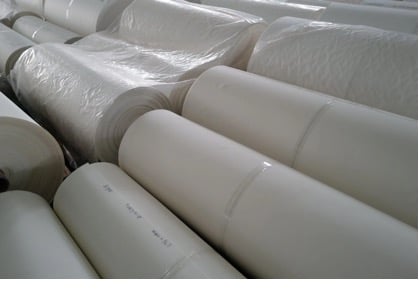
Cloth is bought for the duty it has to do. The press it sits in comes second. The NHD Filter Cloth Series runs from weaving through heat setting, calendering and inspection, and the same maker supplies cloth for the press filters already on the plant. Release behaviour can stay comparable across the units on one site. The maintenance team then reads a cloth change on one press and knows what to expect on the others. A generic interval table never gives you that.
Filtration Pressure, Cycle Time, and Re-sequencing
Pressure Trends at the 1.6 MPa Ceiling
The NHD Vertical Automatic Pressure Filter runs to 1.6 MPa and can hold cake moisture at or below 10 percent on a suitable duty. That ceiling is real, and every pressure reading is read against it. The maintenance team is not chasing the driest cake the machine can make. It watches two things. Does the squeeze still reach the pressure the duty needs? Is the cycle time holding? Cake moisture that takes more pressure is a report from the press. The change sits in the feed, the cloth, or the squeeze.
Re-sequencing the Schedule After a Feed Change
A feed change means a new schedule. Fine tailings blind cloth faster than high-solids phosphogypsum, and they hold more water in the cake. Three things follow. The cloth change interval shortens. The squeeze and drying stages get a closer look. Filtration pressure is read against the ceiling more often. Planned-downtime windows move with the feed, because cloth that needs changing sooner cannot hold the old replacement date. Start from the feed the plant runs today. The trends set the rhythm from there.
Spares, After-Sales Support, and the Vertical Press Edge
What to Keep in the Plant: Seals, Diaphragms, and Cloth
Few parts wear out. That keeps the spares list short. Plate and frame seals, the diaphragm and the cloth. Run out of any of the three and a planned change becomes an unplanned stoppage. Stock each one to cover the interval the log says it will use. Not a year’s worth. Not a week’s worth. A strainer element belongs there as well. It sits first in line, ahead of the press. It is also the cheapest part on the shelf.
Commissioning and After-Sales Support
A plan stays matched to the machine only when one owner holds both after the press starts running. Whoever commissions the press keeps the after-sales contact. NHD Our Services carries equipment installation, system commissioning and operational support after handover. That keeps the maintenance plan and the design intent together. The people who built this press’s schedule are the people the plant calls when the feed changes and the schedule needs a second look.
The Maintenance Contrast: Vertical Automatic vs Batch Plate Press
Take a batch plate press, such as the NHD Super Pressure Horizontal Plate Filter Press. It squeezes and dries in one closed run. It earns its place where the deepest cake matters more than cycle length. The vertical automatic press takes the other trade. It runs the full cycle continuously and automatically. Cake discharges without opening plates by hand. More capacity comes off every square metre of cloth. A plant that counts unplanned downtime in lost tonnage wants that loop running continuously. The maintenance plan is built to protect it, and the batch press is the contrast that shows why.
Conclusion
A maintenance plan for a vertical automatic pressure filter works when it follows the real cycle — feed, squeeze, discharge, cloth washing, cake transport — and when planned and unplanned downtime are logged separately, so the schedule can be re-sequenced against the current feed instead of a generic table. The NHD Vertical Automatic Pressure Filter runs that full cycle automatically at up to 1.6 MPa, with alternating two-sided cloth washing and automatic cake discharge, and the same team that commissions the press carries the spares and after-sales interface. For the current feed basis, cycle data and cloth life, write to sales@chinanhd.com or message the team on WhatsApp +86 136 6732 4277.
FAQs
Q1: How often should the filter cloth on a vertical automatic pressure filter be washed and replaced?
A1: The cloth gets washed on every cycle. The press alternates the wash across both surfaces inside the normal loop. Cleaning runs continuously, and the plant never stops the press just to clean cloth. Replacement follows condition. Blinding stretches the cycle. Abrasion thins the weave. Chemical attack comes from the liquor. Track cloth life against tonnes filtered. Swap the cloth when release slows or cycle time creeps up.
Q2: Which maintenance items cut unplanned downtime the most?
A2: Feed-line protection and the cloth. Flush the feed line after a solids change and fit the right strainer. That stops the most frequent stoppage. A cloth bought and tracked by duty stops the slow kind. Squeeze-water checks keep the press reaching its rated pressure. Log planned and unplanned downtime in separate columns and all of it becomes visible. Without the split it arrives once a month, as a surprise.
Q3: How should the maintenance schedule change when the feed moves from high-solids phosphogypsum to fine tailings?
A3: Re-sequence it around the new feed. Fine tailings blind the cloth faster and hold more water in the cake. Three changes follow. The cloth-change interval shortens. The squeeze and drying stages get a closer look. Filtration pressure is read against the rated ceiling more often. Planned-downtime windows shift with the feed, because cloth due sooner cannot hold the old replacement date. Start the schedule from the feed the plant runs now, and leave the old one behind.