


Thickener problems rarely announce their cause. Underflow density slips, overflow turns cloudy, or dose per tonne climbs—and the quickest explanation is usually the flocculant. Sometimes that is correct. More often, the dose is simply where the symptom becomes visible, while the real change began in the feed, the preparation loop, or the machine. What determines whether a dose adjustment solves the problem or merely hides it is the order in which the checks are made.
What Each Symptom Points To
Underflow Density Falling While Overflow Stays Clear
When underflow density falls while overflow remains clear, capture is still working—but compaction is not. The bed is not consolidating to the density the circuit expects, so more water leaves with the solids. Compaction depends on floc structure, solids flux through the bed, and how quickly underflow is drawn away. Loosely bound flocs hold water and compress slowly; a bed pulled down faster than it forms cannot reach its design density. Feed dilution, a higher fines fraction, or a changed underflow pump cycle can produce the same reading, so the dose is a candidate here—not the first explanation.
Overflow Turning Cloudy Before the Underflow Moves
When clarity breaks first, capture is failing. Flocs are not forming, form too late, or break before they reach the bed—and because underflow has not moved, the bed and rake are still doing their work. The critical distinction is between polymer that was never active and polymer that was active and then destroyed. A make-up concentration outside its range, an ageing time that is not met, or mixing energy that shears the solution can all reduce activity before it reaches the slurry. A dosing point inside a high-shear zone destroys flocs after they form. The first looks like a dose that no longer settles anything. The second looks like flocs visible at the feedwell and gone by the overflow launder.
Dose per Tonne Rising Without a Feed Change
Dose per tonne reflects reagent efficiency, and it is meaningful only when read against dry solids. Adding more polymer because more tonnes are being treated is not a loss of efficiency; grams per tonne climbing while feed remains flat is. That loss usually sits in make-up, ageing, or the point of addition. It can also come from the solids, since more fines or clay means more surface area to cover for the same tonnage. Confirm the dry solids figure and the flow measurement behind it before treating the trend as a dosing decision—a drifting belt scale can create a problem on paper that does not exist in the tank.
What to Rule Out Before Touching the Dose
Feed Solids, Fines, and Throughput
Flocculant demand follows the surface area of the solids, not their mass. A finer feed, or one carrying more clay and slimes, needs more polymer per tonne even at the same tonnage and percent solids. Higher throughput also shortens the time flocs have to form, grow, and settle. A blend change, a different ore body, a change in grind, or extra return water entering the feed line are the usual causes of a thickener that suddenly behaves as if it were short of polymer.
Dilution Concentration and Ageing Time
Polymer must be prepared before it can work. Make-up water quality, the dilution actually achieved, the ageing time before dosing, and the mixing energy in the make-up unit determine how much polymer is active at the feedwell. Two faults are easy to miss because the equipment keeps running: a unit asked to deliver more solution than its make-up capacity allows produces a weak or partly hydrated solution when demand is highest, and a unit sped up to raise output can shear the polymer while it hydrates.
Dosing Point and Mixing Conditions
Polymer has to meet the slurry where it can mix—and then be left alone. Injection near the feedwell, before the high-energy zone, gives flocs time to form. Injection into a pump, a drop box, or any point where slurry arrives at speed breaks them again. Dilution at the point of addition matters as much as total flow, because a concentrated solution fed through a small line mixes unevenly. Flocs drifting into a shear zone are the clearest evidence that the arrangement, rather than the setting, is the problem.
Rake Load, Underflow Pumping, and Feedwell Conditions
The machine sets limits on what the polymer can achieve. Rake torque trending upward, a history of rake lifts, or an underflow pump cycling between solids and air all describe a bed that is not being removed evenly. A high-density underflow cannot be pumped on the same cycle as a thin one. A feedwell that is partly blocked or discharges unevenly sends part of the feed toward the overflow without meeting the flocculant, and no dose adjustment corrects a short circuit.
When to Increase, Reduce, or Keep the Flocculant Dose
Reading the Dose per Tonne Against the Feed Trend
Two lines on one chart start the decision: reagent per tonne of dry solids, and the feed variables that drive demand. Dose per tonne inside its band with a changed feed says the reagent is being used as before and the plant is living with a different feed. Dose per tonne climbing while feed is flat says efficiency has been lost. Dose per tonne falling while clarity stays acceptable says the circuit may be over-supplied. That band is plant-specific and must come from periods when the thickener ran well; a circuit that has never been trended through a stable month has no basis for comparison.
When the Answer Is More Dose
More dose is right when preparation and the point of addition are sound and capture is still failing: overflow clarity deteriorating, a thin or absent bed, flocs forming correctly at the feedwell, and a dose per tonne below the band the plant used to run at. Change it as a step. Raise the setting once, hold make-up concentration and dilution steady, and allow enough time for the new dose to work through the circuit. Raising the dose while also changing make-up leaves no way to tell which change moved the overflow.
When the Answer Is Less Dose: Overdosing and Carryover
Overdosing is a normal operating condition, not a rare mistake. Excess polymer produces large, loosely bound flocs that trap water, so underflow density falls while overflow may still look acceptable. In the worst case, flocs and unadsorbed polymer leave with the overflow liquor and foul solvent extraction circuits, blind filters, or return as a load the plant never planned for. The signals are a dose per tonne above the plant’s own band, an underflow that thinned without a feed change, polymer visible downstream, and a faster response to a reduction than an increase ever produced. Cut in one step and judge the overflow first.
When the Answer Is Neither: Fix the Preparation or the Machine First
Some circuits fail for reasons the dose cannot reach. A make-up unit running outside its design concentration, an ageing tank bypassed when demand rises, a dosing point inside a shear zone, an underflow pump that draws the bed down, or a feedwell that short-circuits will persist at any setting. Hold the dose and correct the fault first; the next observation then means something, because the only thing that changed is the item that was repaired.
What to Change Once the Decision Is Made
Recipe, Preparation, or Machine: Three Different Fixes
The three fixes sit in different places and take different amounts of time to appear. The recipe is the polymer grade and the dose setting. The preparation loop is make-up concentration, dilution, ageing time, and mixing energy. The machine covers the point of addition, underflow pumping, the rake, and the feedwell. Only one moves at a time, because a plant that raises the dose, changes the polymer, and re-pipes injection in one shift has three explanations for whatever happens next and no way to separate them.
Verifying the Change Under Stable Operating Conditions
Measure the change where it can be seen: feed solids, feed rate, and dilution held as steady as the plant can manage, one change at a time, and a period long enough to reach a new steady state rather than the first hour in which the overflow improves. Read the result in the order of the diagnosis. Overflow clarity comes first because it responds fastest to capture; underflow density comes second because compaction lags; dose per tonne comes third because it shows whether the improvement was bought at a higher reagent cost.
Where the Thickener Itself Sets the Limit
What Thickener Design Fixes and What Dosing Cannot Fix
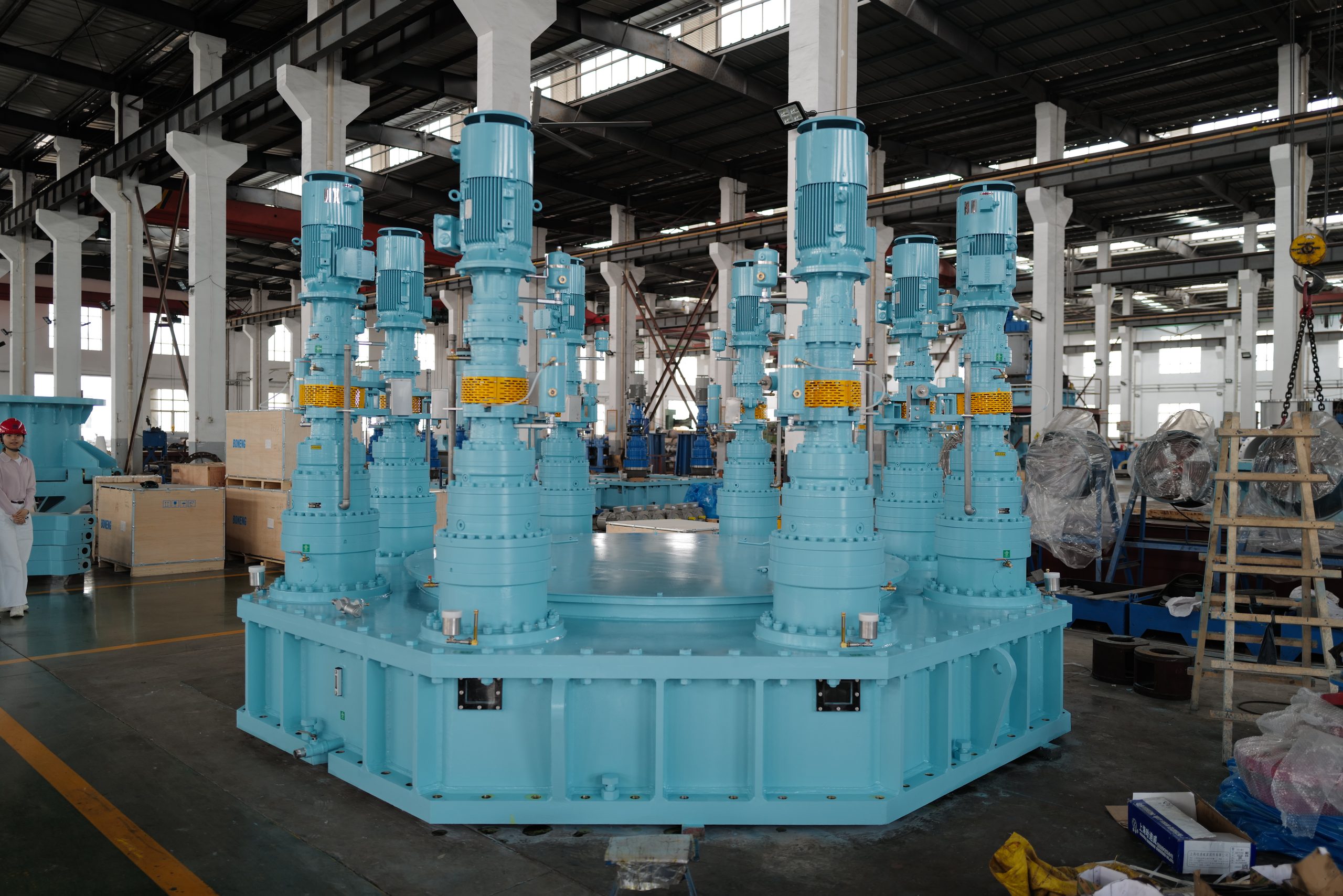
Every tank has a settling area, a feedwell that dissipates a limited amount of energy, and an underflow arrangement that moves solids at a certain density. When the fine fraction of the feed rises beyond what the settling area can handle, or the target underflow density exceeds what the rake and the pump can draw, the circuit is at the limit of its design, and more polymer buys cost and carryover rather than recovery.
That limit is where equipment can be judged. NHD Thickener designs use multi-drive systems with heavy-duty rotary bearings and oil-bath lubrication for steady operation under heavy load, report torque in real time to the control centre, and integrate with DCS and ultrasonic measurement of slurry level and solids content, so a changing bed appears in the signals before it becomes a rake event.
Why CCD Circuits Make Feed and Dosing Changes More Critical
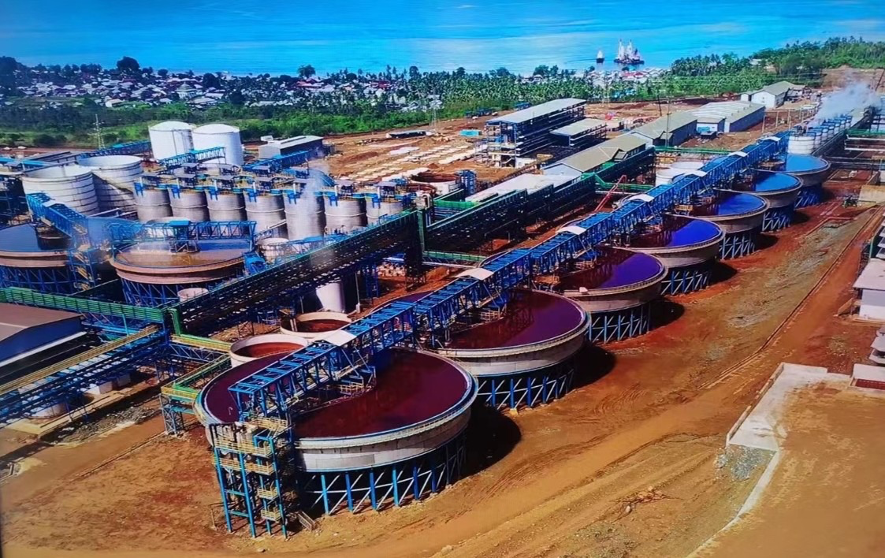
A single thickener absorbs a feed change; a counter-current decantation circuit passes it on. Slurry moves from stage to stage while wash water moves the other way, so the underflow leaving one stage becomes the feed of the next and the overflow returns to the stage before it. A dosing or dilution change made at the first stage arrives at every stage after it, and a loss of clarity anywhere in the line shows up as entrained liquor in the final underflow.
Each stage therefore has to deliver wash liquor clean enough for the next displacement step, and each stage’s underflow density decides how much liquor it carries forward. That is why feed, underflow and dosing have to be matched stage by stage instead of tuned one tank at a time: feed solids and flow set what a stage receives, underflow density sets what it passes on, and the flocculant dose sets how cleanly the two are separated. NHD High-Efficiency CCD Thickeners follows the same process logic for nickel and cobalt washing circuits, where the condition reached in one stage becomes a design condition for the next.
Conclusion
Diagnosing poor thickener performance is mainly a question of order: establish which symptom moved first, rule out feed and preparation before adding more polymer, and remember that the dose can also be too high. The fix then falls into one of three places, the recipe, the preparation loop, or the machine, and the result should be confirmed under stable feed and operating conditions. Where the limit sits in the thickener’s own design, NHD builds thickeners and flocculant preparation arrangements for these duties and can review the feed basis, the dosing arrangement, and the underflow requirement with the project team. Send the current symptom, the feed data, and the dosing practice to sales@chinanhd.com or reach the team on WhatsApp +86 136 6732 4277.
FAQs
Q1: How do you tell whether the flocculant dose or the feed is causing poor thickener performance?
A1: Watch which signal moves first and where it moves. Cloudy overflow with a stable underflow points at capture, which usually means make-up, ageing, or the point of addition before it means the dose. Falling underflow density with a clear overflow points at compaction, which feed dilution and underflow pumping can explain on their own. Compare dose per tonne against dry solids as well: if the feed has not changed and the dose per tonne rises, efficiency has been lost in the preparation loop.
Q2: What are the signs of overdosing flocculant in a thickener?
A2: Underflow density falls while the overflow may still look acceptable, because large loosely bound flocs trap water inside them. Polymer or flocs appear in the overflow liquor and travel into the next stage, dose per tonne sits above the band the plant ran at when the circuit was stable, and a dose reduction changes the overflow faster than a dose increase did. Confirm that make-up and the point of addition are correct before those signs are read as overdose.
Q3: Which data should be reviewed before changing the flocculant dose?
A3: Review three sets. The feed: dry solids, tonnage, size distribution and fines or clay content, and any dilution water entering the feed line. The preparation loop: make-up concentration, dilution at the point of addition, ageing time, and mixing energy. The machine: rake torque trend, underflow pump cycle, underflow density, and feedwell condition.